
Closets · August 20, 2026
By Laura Bryan, Vice President · Meet the team
What Does a Custom Closet Actually Cost – And Is It Worth It?
By Laura Bryan, Vice President, Diplomat Closet Design
The closet you’re living with right now probably isn’t broken. It just doesn’t work for you specifically, and you’ve been absorbing that friction every single morning without naming it as a design problem.
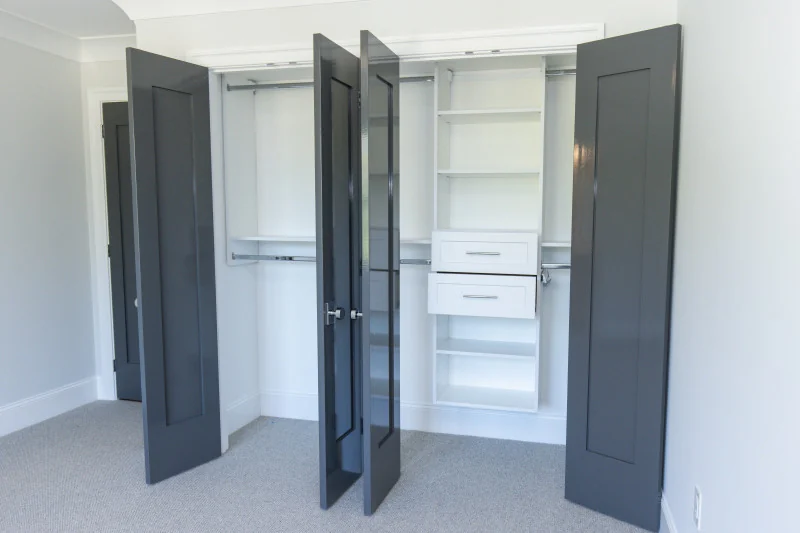
A custom closet is a built-in storage system designed from scratch around your actual space, your belongings, and your daily habits, rather than assembled from pre-made components that approximate what you need. For most homeowners in Southeastern Pennsylvania, Delaware, and the Jersey Shore area, the investment ranges from a few thousand dollars for a well-designed reach-in to significantly more for a full walk-in dressing room, and the difference in daily function is not incremental. It’s categorical.
Key Takeaways
Custom closets are designed around your specific space and habits, not adapted from catalog sizes
Cost varies based on space type, materials, and complexity, not just square footage
The right comparison isn’t “custom vs. DIY kit” but “a system that works daily vs. one you’ll replace in three years”
A professional design consultation, including 3D renderings, lets you see the finished result before a single panel is installed
Generic storage fails predictably and for the same reasons every time; custom design eliminates those failure points by addressing root causes
Why Does Generic Storage Keep Failing You?
The problem isn’t that you haven’t found the right bin or the right shelf organizer. The problem is structural.
Generic storage products are built for average use cases. When your habits, your space, and your household don’t match that average, and they rarely do, the system breaks down predictably, repeatedly, and for the same reasons every time. You buy the kit, you install it, it works for a month, and then the pile comes back. Not because you lost discipline. Because the system was never designed to support your specific behavior.
The real failure is that generic systems treat storage as a product problem. Custom design treats it as a behavior and space problem.
Consider a typical scenario: a homeowner with a 9-foot reach-in closet buys a double-hang kit because the box shows a tidy result. But they have more folded items than hanging clothes, a collection of shoes that needs floor-level visibility, and a partner who uses the same closet with completely different habits. The kit doesn’t account for any of that. Within weeks, the system is fighting them instead of working with them.
That’s not a willpower failure. That’s a design failure.
What Does a Custom Closet Actually Cost?
Custom closet pricing is driven by four variables: the size of the space, the complexity of the layout, the materials selected, and the level of finish detail. There’s no single number that applies universally, but there are honest ranges worth understanding before you start.
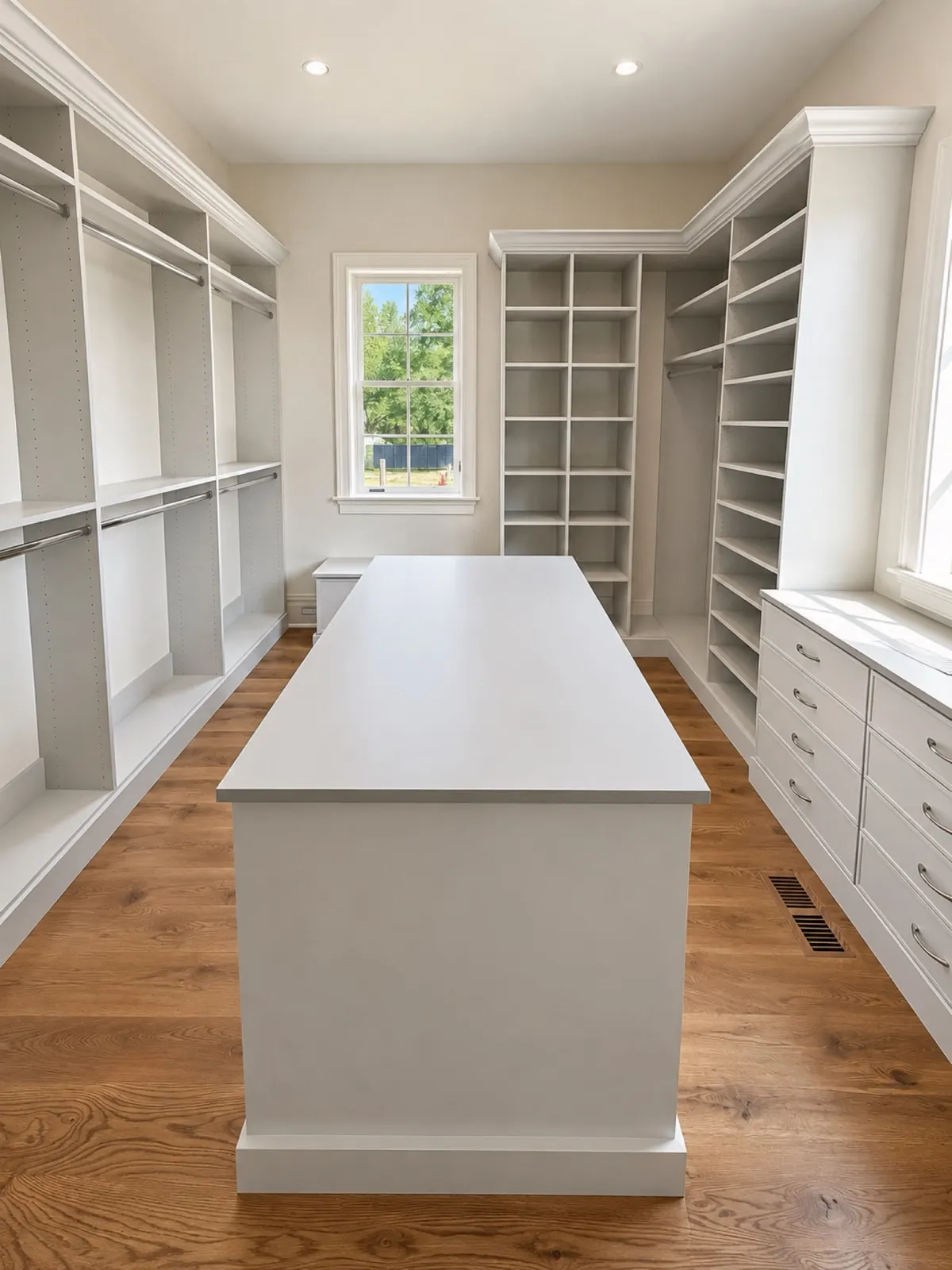
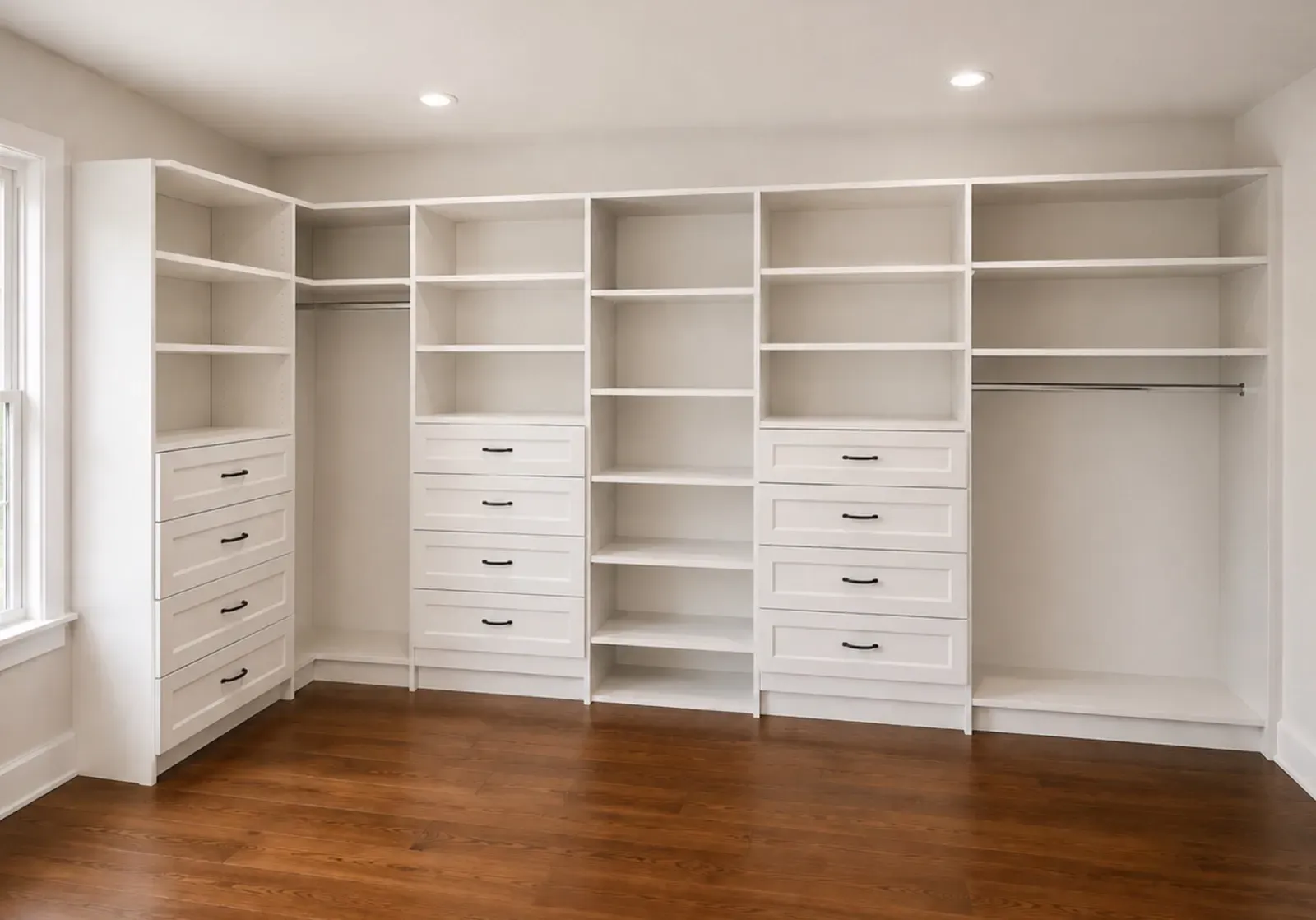
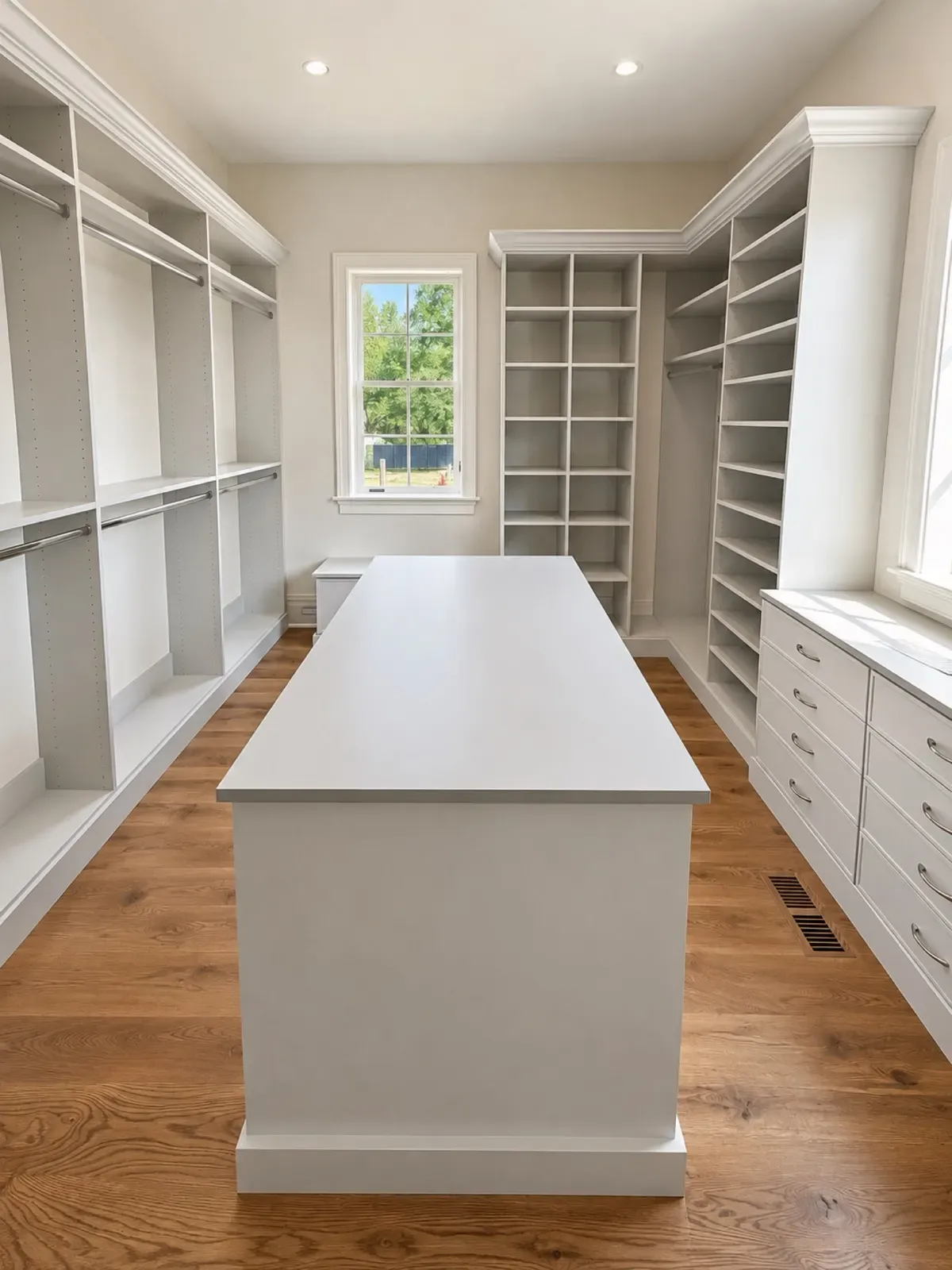
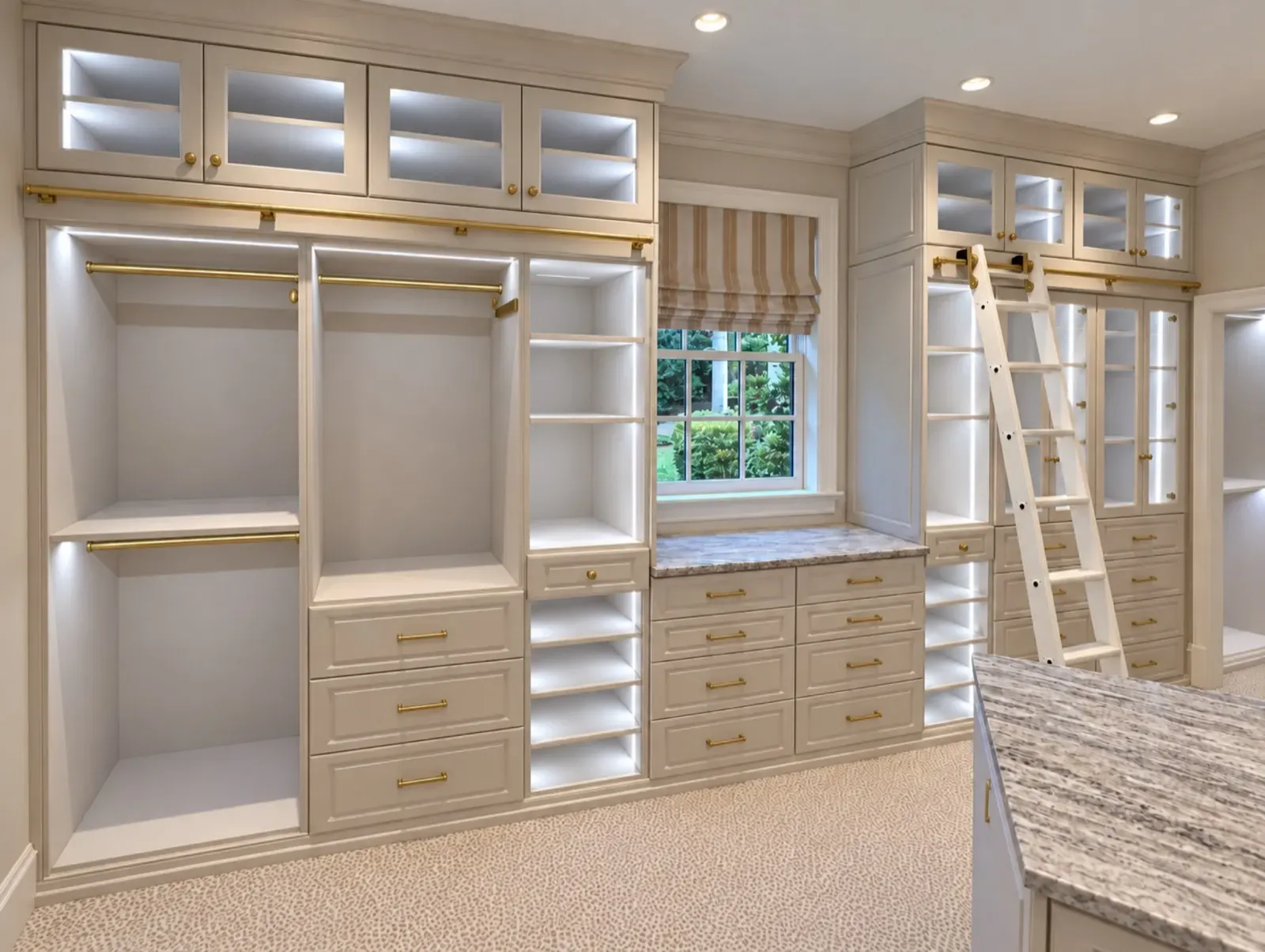
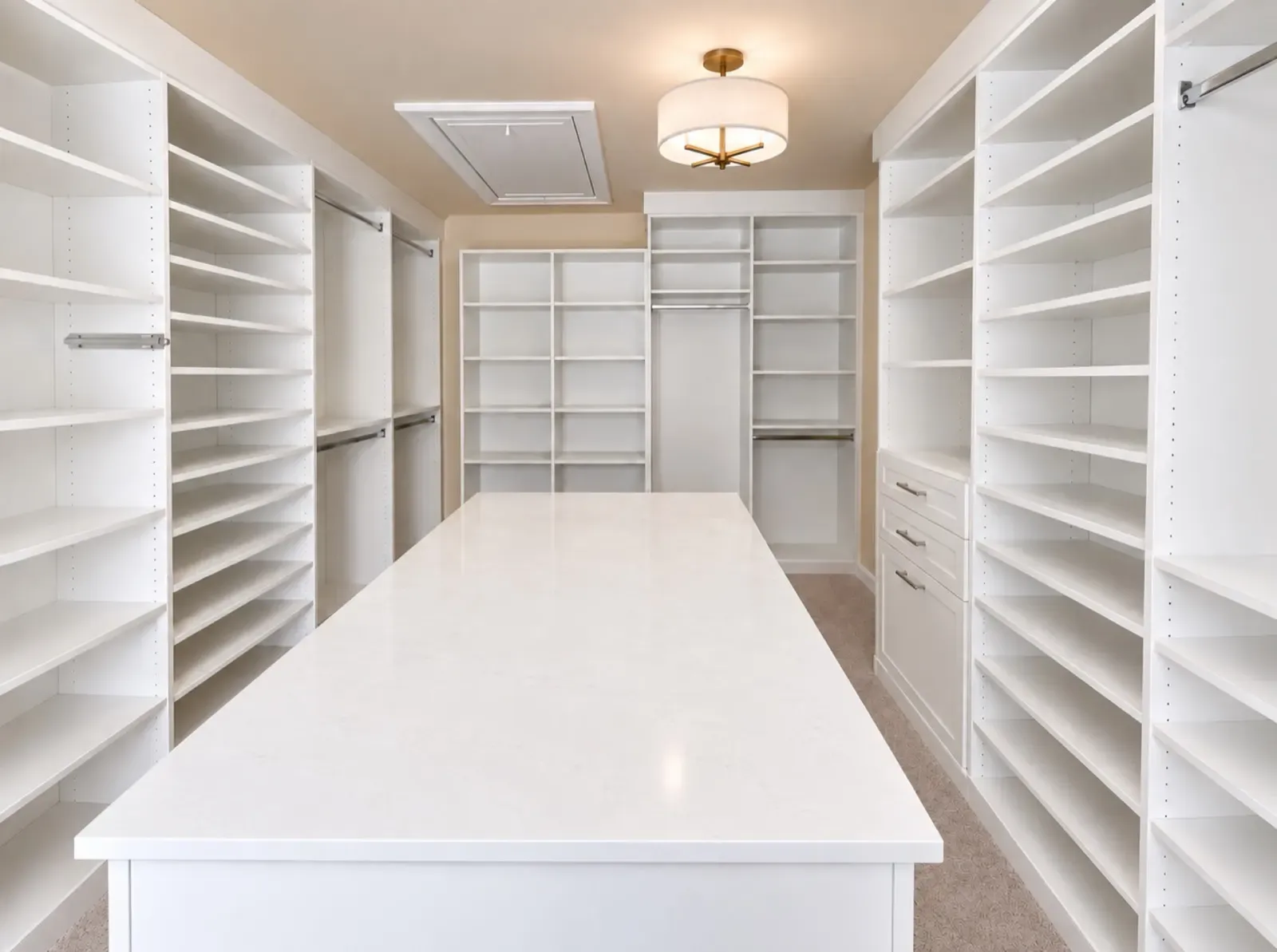
A well-designed reach-in closet with furniture-grade materials typically starts in the low thousands. A standard walk-in with hanging sections, shelving, and drawer units runs higher. A full primary dressing room with specialty finishes, integrated lighting, and detailed millwork can reach well into five figures. The spread is wide because the scope is wide.
What you’re paying for isn’t just materials. You’re paying for a designer who starts with your actual life before touching a measurement, 3D renderings that let you approve the design before installation begins, and a finished result that functions like built-in furniture rather than assembled hardware.
If you’re ready to see what that looks like in your specific space, schedule a complimentary design consultation with Diplomat Closet Design and get a 3D rendering of your space before committing to anything.
The “Three-Year Test”: A Framework for Evaluating Storage Investment
The Three-Year Test is a decision framework for evaluating whether a storage solution is worth its cost by projecting forward rather than comparing upfront prices.
Here’s how it works. Take the cost of a generic kit or DIY solution and ask: will this system still be working for me in three years, or will I have replaced, reorganized, or abandoned it? Then ask the same question about a custom-designed system built around your actual space and habits.
Generic systems fail this test for a specific reason: they’re designed for a median user, not you. Every time your life changes, the system requires manual adaptation. A custom system, because it was built around how you actually live, adapts more gracefully. The hanging rod is at the right height. The drawer depth matches what you store. The shelving pitch works for your shoe collection.
Use this framework when:
You’re comparing a $400 kit to a $3,000 custom solution and the gap feels large
You’ve already replaced a generic system once and are considering doing it again
You’re about to move into a new home and want to set up storage correctly from the start
Don’t use it as a reason to over-invest in a space you’re leaving in 18 months. The Three-Year Test favors permanence.
How Does the Custom Design Process Actually Work?
This is the question most people have after understanding the cost, and it’s worth answering directly.
At Diplomat Closet Design, the process starts with an in-home consultation. A designer comes to your space, looks at what you’re working with, and asks questions about how you actually use it. Not “how many clothes do you have” but “do you fold or hang, do you share this space, do you dress in the dark, do you need jewelry visible or hidden.” Those answers shape everything.
From there, the designer produces 3D renderings so you can see the finished result before installation. You’re not approving a materials list or a sketch. You’re looking at a realistic visual of your actual closet, with your actual dimensions, in the finish you selected.
Installation is handled by Diplomat Closet Design’s own team. There’s no subcontracting handoff, no coordination you have to manage. The project is handled start to finish.
The result is a system that looks like it was always there, because in a real sense it was designed to be.
Custom vs. DIY Kits vs. Doing Nothing: An Honest Comparison
The right comparison isn’t custom vs. DIY. It’s “a system designed for your life” vs. “a system designed for nobody in particular.”
| Approach | Upfront Cost | Lifespan | Fit to Your Space | Resale Impact | Design Process |
|---|---|---|---|---|---|
| Custom (Diplomat Closet Design) | Higher | Long-term, furniture-grade | Built around your exact dimensions and habits | Positive; buyers notice quality storage | In-home consultation, 3D rendering, full install |
| DIY closet kit | Lower | 2-5 years, hardware-dependent | Approximate; requires workarounds | Minimal to neutral | Self-measured, self-installed |
| Doing nothing | $0 now | Ongoing friction and wasted time | No fit at all | Negative; disorganized storage reads as a flaw | None |
The cost of doing nothing is real, it’s just distributed differently. You pay it in time, in frustration, and in the quiet drag of a space that works against you every day.
The custom closets vs. DIY closet kits comparison is worth reading if you’re weighing those two options in detail. And if you’re specifically considering a walk-in, the DIY vs. custom walk-in closet breakdown goes deeper on the tradeoffs.
What Spaces Benefit Most From Custom Design?
The honest answer is: any space where generic storage has already failed you.
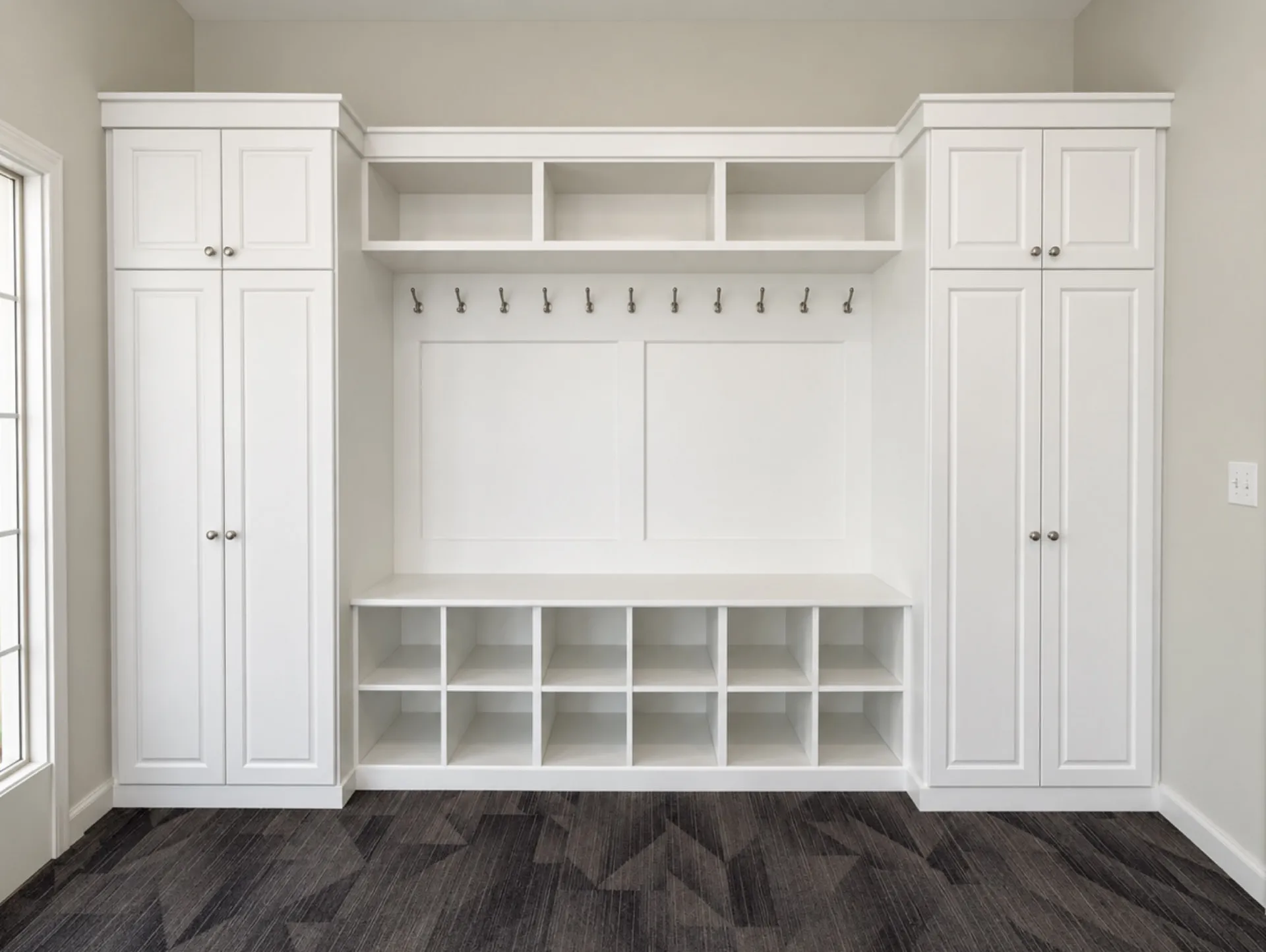
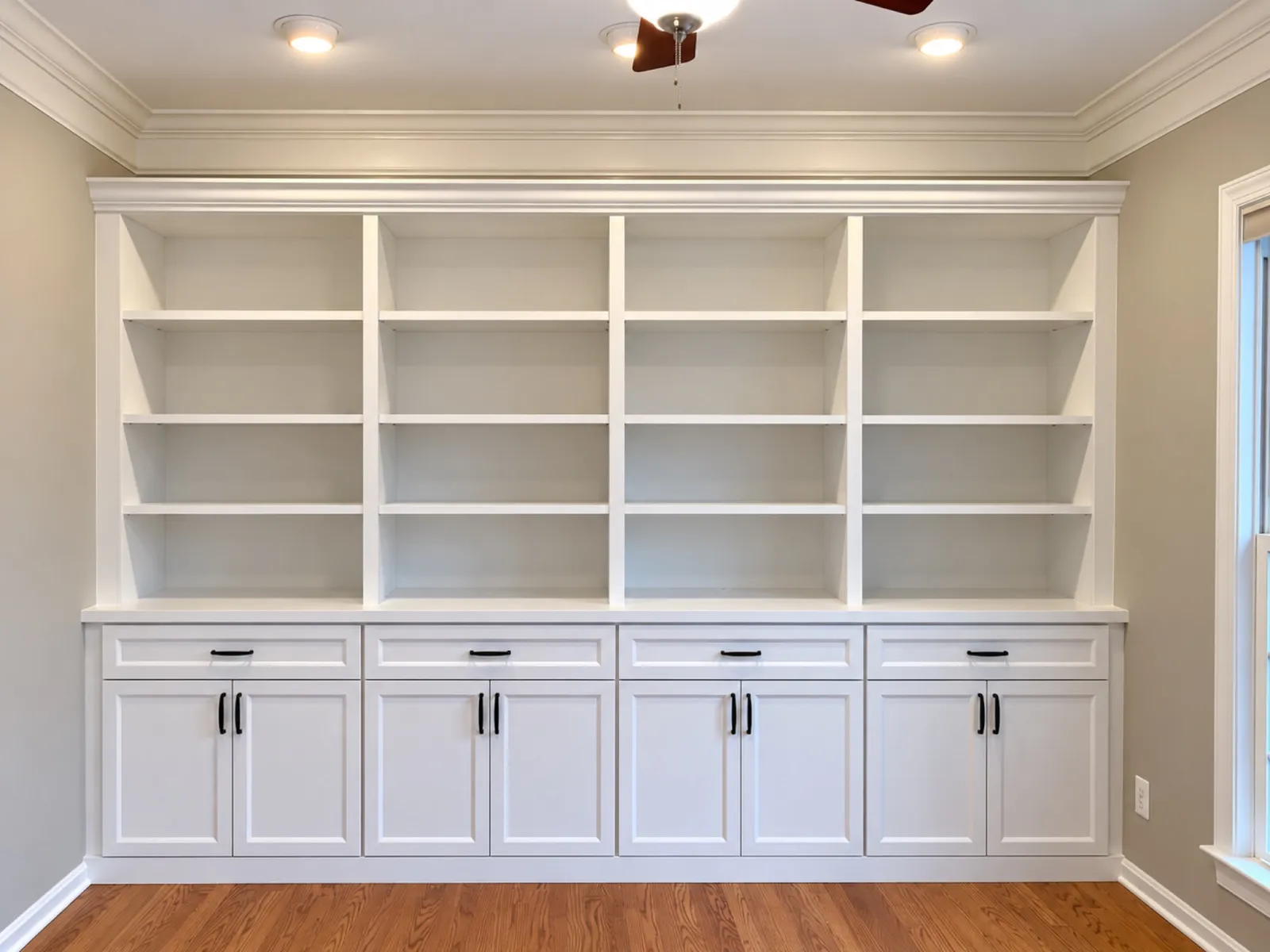
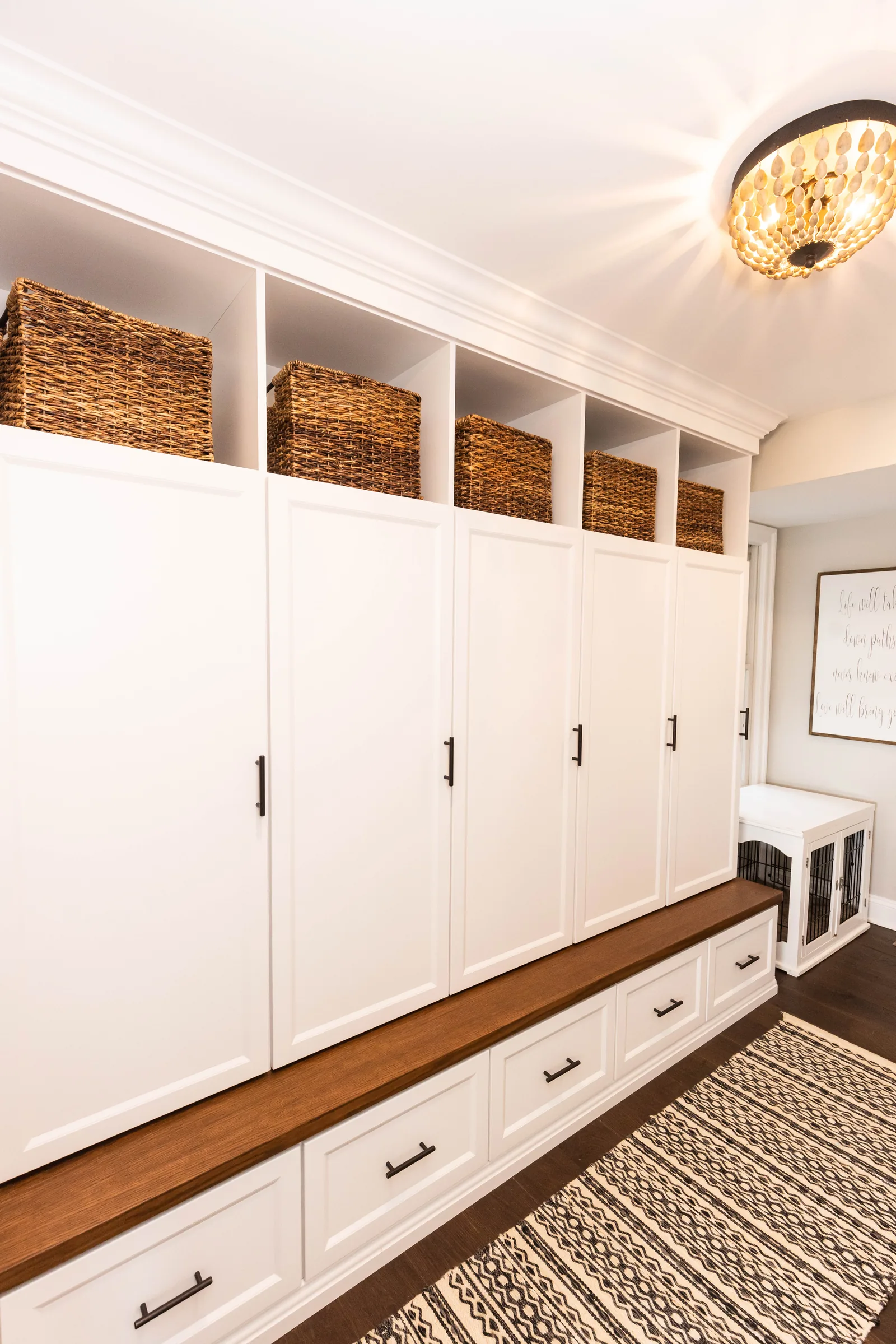
That includes primary closets, obviously. But custom mudroom built-ins solve a different problem entirely, the daily chaos of a household moving in and out. A custom home office storage system addresses the specific problem of professional work happening in residential space, where the line between “work zone” and “everything else” keeps collapsing.
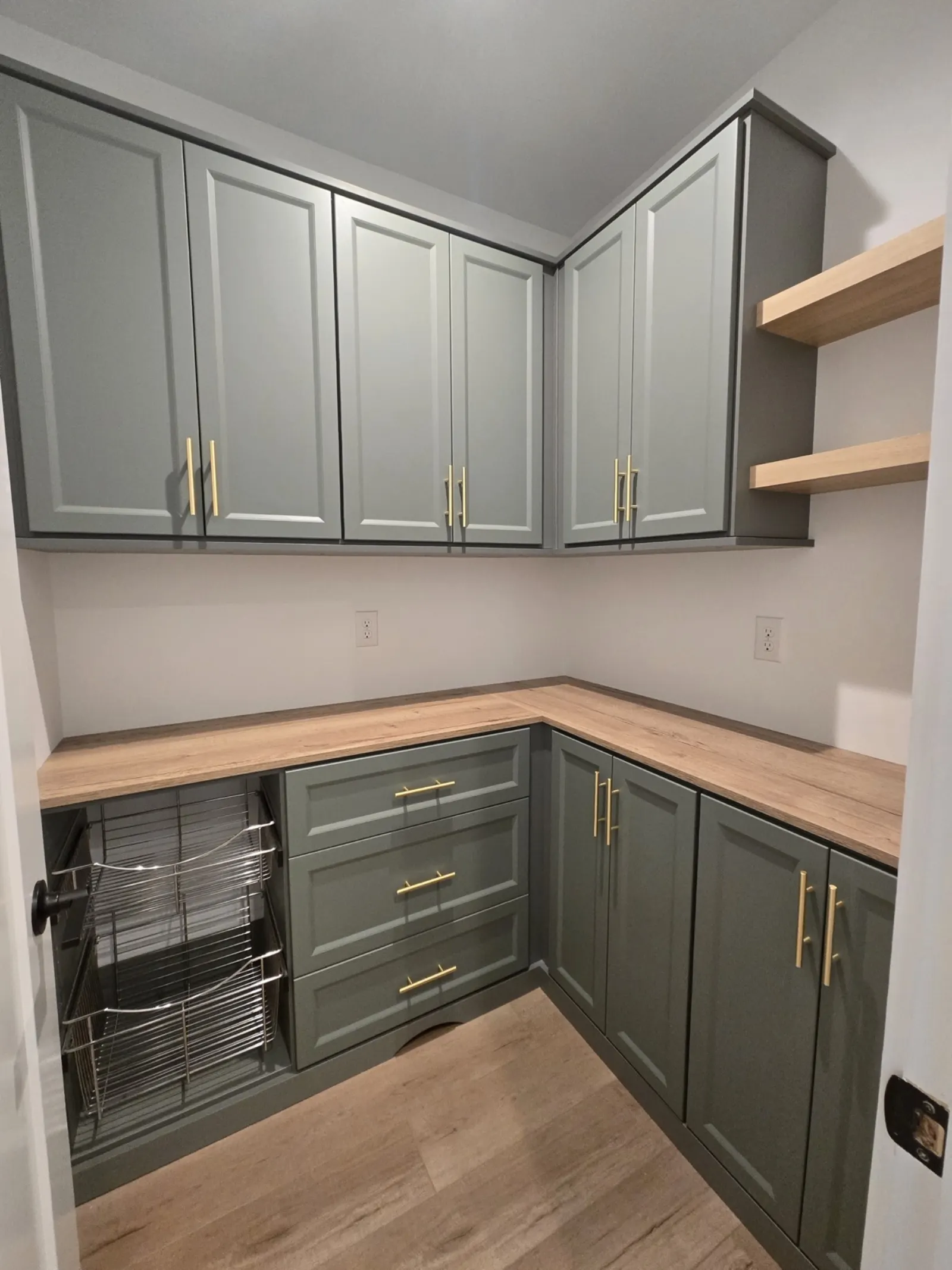
Custom pantry built-ins are one of the most underrated investments in the category. A well-designed pantry doesn’t just hold more. It makes cooking faster and grocery shopping more efficient because you can actually see what you have.
The spaces where custom design pays off most clearly are the ones you use every day. The more daily contact, the more a poorly designed system costs you in friction, and the more a well-designed one returns to you in ease.
A custom closet is not a luxury upgrade. It’s a daily infrastructure decision.
Who Is This the Wrong Fit For?
Custom closet design is a serious investment, and it’s worth being honest about when it’s not the right call.
If you’re renting and your landlord won’t allow permanent installation, a built-in system isn’t practical. If you’re planning to move within the next year or two, the return on investment shrinks considerably, though it’s worth noting that well-designed storage is a documented selling point for home buyers.
If your space is genuinely tiny and your storage needs are simple, a thoughtfully chosen freestanding solution might serve you well. But if you’ve already tried that and it hasn’t held up, that’s useful data. It means the problem isn’t the product you chose. It’s that the space needs a designed solution, not a purchased one.
FAQ
How long does a custom closet installation actually take?
Most custom closet installations are completed in a single day once the design is finalized and materials are ready. The design and production phase takes longer, typically a few weeks from consultation to installation date, depending on the scope and current scheduling. The day-of installation is usually faster than people expect.
Will a custom closet actually increase my home’s resale value?
Organized, well-designed storage is consistently cited by real estate professionals as a feature that buyers notice and respond to positively. A furniture-grade custom closet reads as a finished, intentional space rather than an afterthought. It won’t guarantee a specific dollar return, but it won’t hurt you, and in competitive markets it can be a meaningful differentiator.
Can a custom closet work in a small or awkward space?
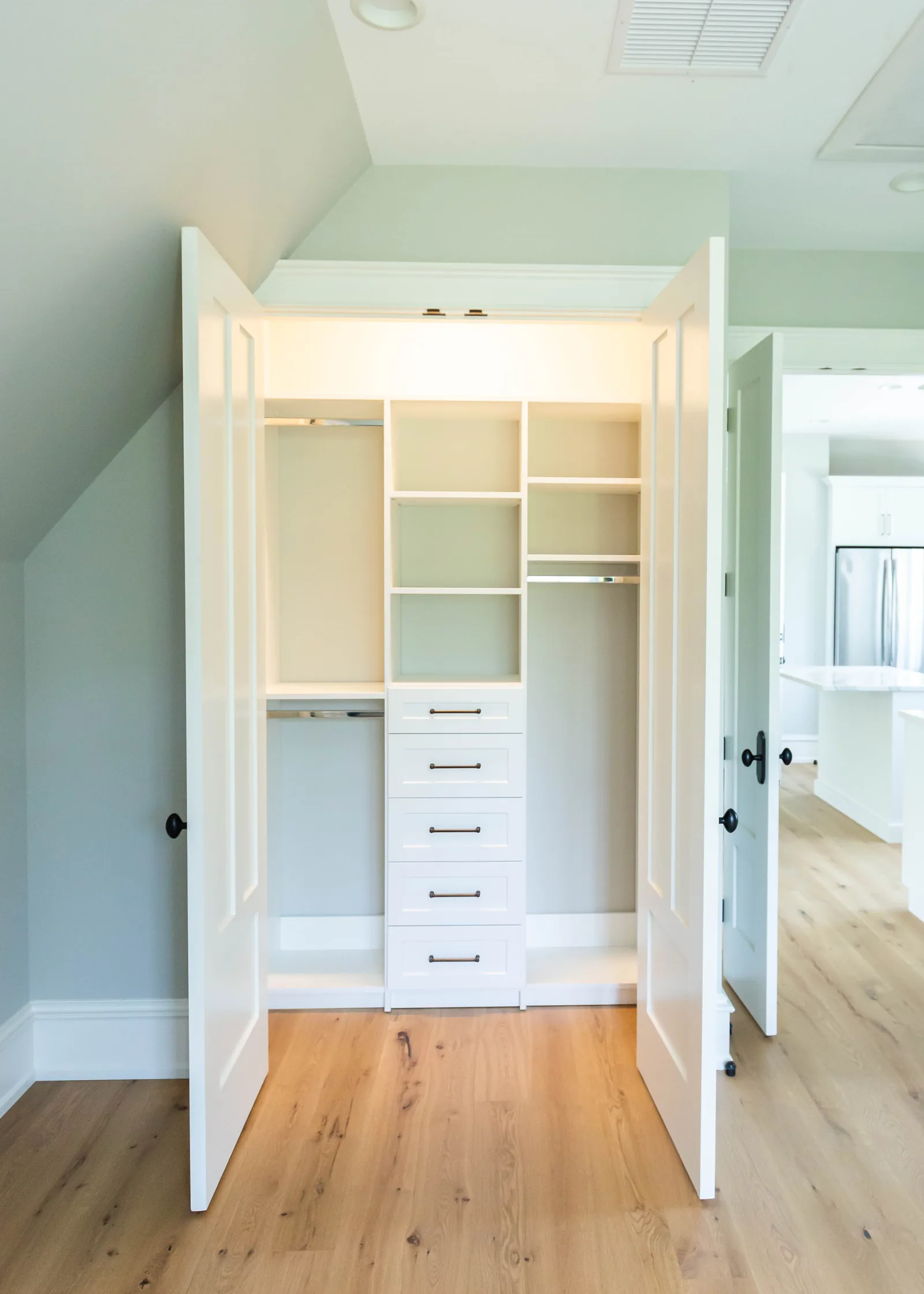
Yes, and this is actually where custom design has the clearest advantage over generic systems. A kit assumes standard dimensions. A custom system is built to your exact measurements, including odd angles, sloped ceilings, and non-standard depths. The types of closet systems available for different home layouts covers this in more detail.
What happens during the in-home consultation?
A designer comes to your space, takes measurements, and asks questions about how you use the space and what isn’t working. You’ll talk through your habits, your storage needs, and your aesthetic preferences. From that conversation, the designer produces 3D renderings for your review before anything is ordered or built. There’s no obligation to proceed.
How do I know the design will actually work before it’s installed?
The 3D rendering process exists specifically to answer this question. You approve the design visually before production begins. You can see the shelf heights, the hanging sections, the drawer placement, and the finish. If something doesn’t look right, you change it at the design stage, not after installation.
Is custom closet design only for large primary closets?
Not at all. Diplomat Closet Design works across a wide range of spaces including reach-in closets, kids’ rooms, home offices, garages, craft rooms, and mudrooms. The design approach is the same regardless of size: start with how the space is actually used and build from there.
What’s the difference between a custom closet company and a national franchise?
A national franchise typically works from a catalog of pre-designed components that are adapted to your space. A locally-owned custom design firm like Diplomat Closet Design starts from scratch, with no template to fit you into. The difference shows up in how well the finished system fits your specific dimensions, habits, and aesthetic, and in the quality of the ongoing relationship throughout the project.
If your current storage is something you’re managing around rather than actually using, that’s the sign. Reach out to Diplomat Closet Design for a complimentary in-home consultation and see what a system built around your actual life looks like before you commit to anything.
About the Author
Laura Bryan is Vice President of Diplomat Closet Design, where she brings nearly two decades of design experience to custom storage and organizational solutions across closets, home offices, mudrooms, garages, and more. Her background includes senior design leadership at Toll Brothers and recognition in publications including Main Line Today, House & Home Magazine, and Closets & Organized Storage Magazine, as well as a 40 Under 40 distinction in the woodworking industry. Diplomat Closet Design serves homeowners across Southeastern Pennsylvania, Delaware, and the Jersey Shore area with complimentary in-home design consultations and full-service installation.
Written by the design team at Diplomat Closet Design, Downingtown, PA. Questions about your own space? Call 610-431-3500.
Where we build.
We design and install custom storage across Southeastern Pennsylvania, Delaware and New Jersey.
Keep reading.
Or browse everything we've written on closets.
Begin your project
Let's start with a conversation.
A designer will visit your home, measure the space and show you what's possible, with no obligation and no sales pressure.