
Closets · September 17, 2026
By the Diplomat Closet Design team · Meet the team
When to Act and When to Wait: 7 Signals That Tell You It’s Time for a Custom Closet
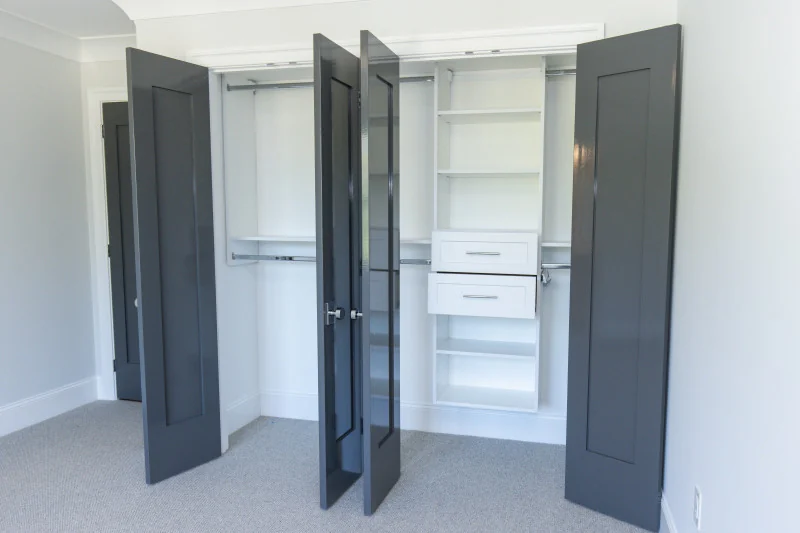
Your closet isn’t broken. It’s just not built for the life you’re actually living.
That gap between what you have and what you need tends to grow slowly, then all at once. One day you’re tolerating the situation, and the next you’re standing in a pile of clothes at 7 a.m., wondering how it got this bad.
Direct Answer
The right time to invest in a custom closet is when your current storage system is consistently costing you time, creating daily friction, or failing to accommodate how your household actually functions. Waiting rarely saves money. It compounds the problem. If you’re reorganizing the same space repeatedly with no lasting result, that’s the signal.
Key Takeaways
Repeated reorganizing with no lasting result means the system is wrong, not your habits
The cost of waiting is measured in daily friction, not just dollars
A custom closet designed around your actual life outperforms any off-the-shelf system because it’s built for your specific storage patterns, not a generic household
Timing decisions should be based on life-stage signals, not just aesthetic frustration
A complimentary design consultation with Diplomat Closet Design is the fastest way to know whether your situation calls for action now or later
Why Does Reorganizing the Same Closet Keep Failing?
Here’s the uncomfortable truth: if you’ve reorganized your closet more than twice and it’s back to chaos within a few months, the problem isn’t your discipline. It’s the container.
Generic storage systems are built around average use cases. They assume an average number of hanging items, an average shelf depth, and an average drawer count. Your life isn’t average. You have a specific mix of long dresses and folded sweaters, or a rotation of work clothes and weekend gear, or a shared space where two very different wardrobes have to coexist. A system that doesn’t account for your actual inventory will always drift back toward disorder.
The mechanism here is simple: when a system makes the wrong behavior easier than the right one, the wrong behavior wins. A shelf that’s too deep buries things. A rod at the wrong height creates a dead zone underneath. A lack of designated space for accessories means they end up on every flat surface in the room.
That’s not a willpower problem. That’s a design problem.
What Are the Real Signals That You Should Act Now?
The “Closet Friction Index” is a simple way to evaluate your situation. It measures not how the closet looks, but how much it costs you in daily time, stress, and lost function. If you score three or more of the following signals, waiting is the more expensive choice.
Signal 1: You’re losing time every morning. If finding what you need takes more than a few minutes on a regular basis, your system is taxing you daily. Multiply that by 365, and it’s a meaningful number.
Signal 2: You’ve reorganized more than twice with no lasting result. One reorganization might be a habit issue. There is a system issue. The comparison between custom closets and DIY kits comes down to exactly this: temporary fixes vs. permanent solutions.
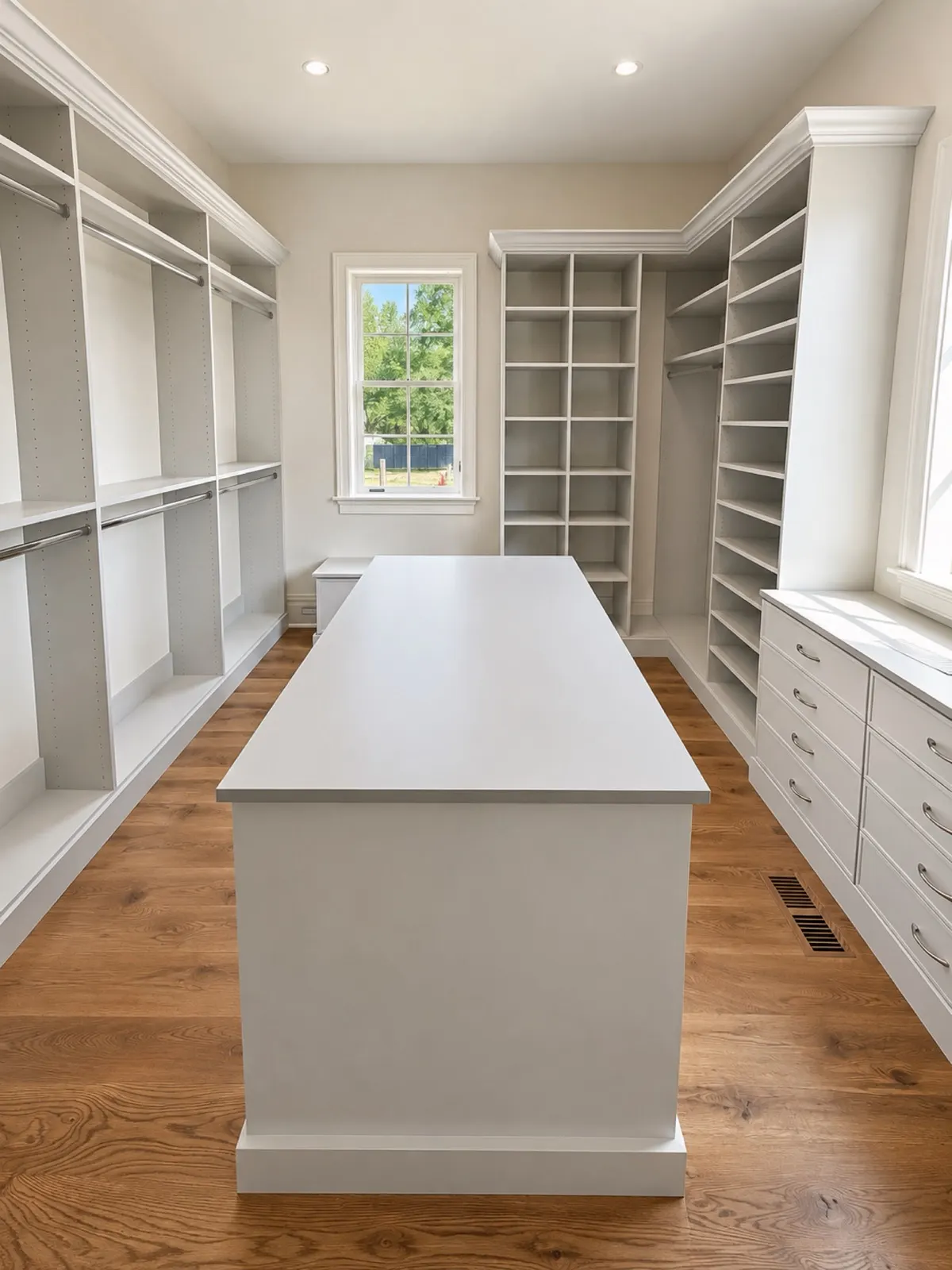
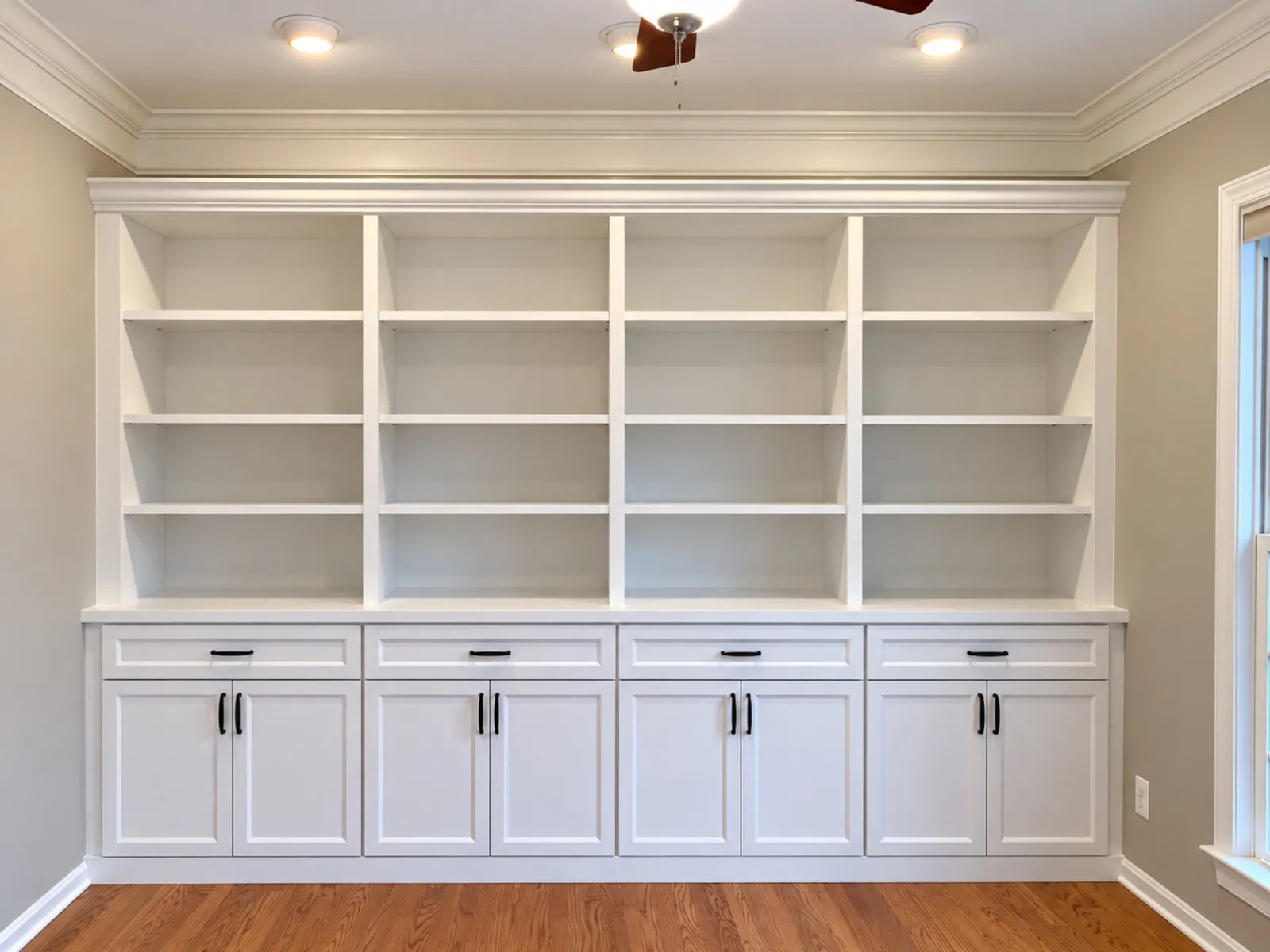
Signal 3: A major life change is coming or has just happened. A new baby, a move, a partner moving in, a shift to working from home. These transitions fundamentally change your storage needs. A home office with custom built-in storage or a redesigned primary closet designed around your new routine will serve you far better than adapting an old system to new demands.
Signal 4: You’re storing things in the wrong rooms. When overflow from a closet starts spilling into the bedroom, hallway, or guest room, you’ve exceeded your system’s capacity. That’s not a clutter problem. It’s a volume problem that requires a designed solution.
Signal 5: Your current system doesn’t reflect how you actually get dressed. Consider a typical scenario: someone keeps their most-used items in the least accessible spot because the system wasn’t designed with their specific routine in mind. They reach past rarely worn items every single day. That friction is invisible until it isn’t.
Signal 6: You’re sharing a space that was designed for one person. Shared closets are among the highest-friction spaces in any home. Two people with different wardrobes, organization styles, and daily schedules need a system that accounts for both. Generic systems don’t do that.
Signal 7: You’re preparing to sell or significantly update your home. A well-designed primary closet is one of the details buyers notice and remember. It signals quality throughout the house. Diplomat Closet Design works with homeowners across Southeastern Pennsylvania, Delaware, and the Jersey Shore area who are preparing their homes for sale and want every space to make the right impression.
When Is It Actually Okay to Wait?
Waiting makes sense in one specific situation: when a larger home renovation is already planned, and the closet will be physically altered as part of that work. If walls are moving or the room layout is changing, designing the storage system before construction is complete means designing around a space that doesn’t exist yet.
In every other case, waiting doesn’t save money. It extends the daily cost of a system that isn’t working.
The contrarian claim worth sitting with: the “I’ll do it eventually” mindset feels like financial prudence, but it’s actually the most expensive position you can take. Every month of friction, lost time, and workaround behavior is a real cost. It just doesn’t show up on a receipt.
If you’re at the point where you’re researching this question, you’re probably already past the “wait” threshold. The blog at Diplomat Closet Design covers a wide range of scenarios if you want to explore further before committing to a consultation.
How Does a Custom Closet Actually Differ from What You Have?
A custom closet is a storage system designed from scratch around the specific contents, habits, and physical dimensions of your space. Not a kit. Not a catalog selection. A design that starts with your actual life and works backward to the solution.
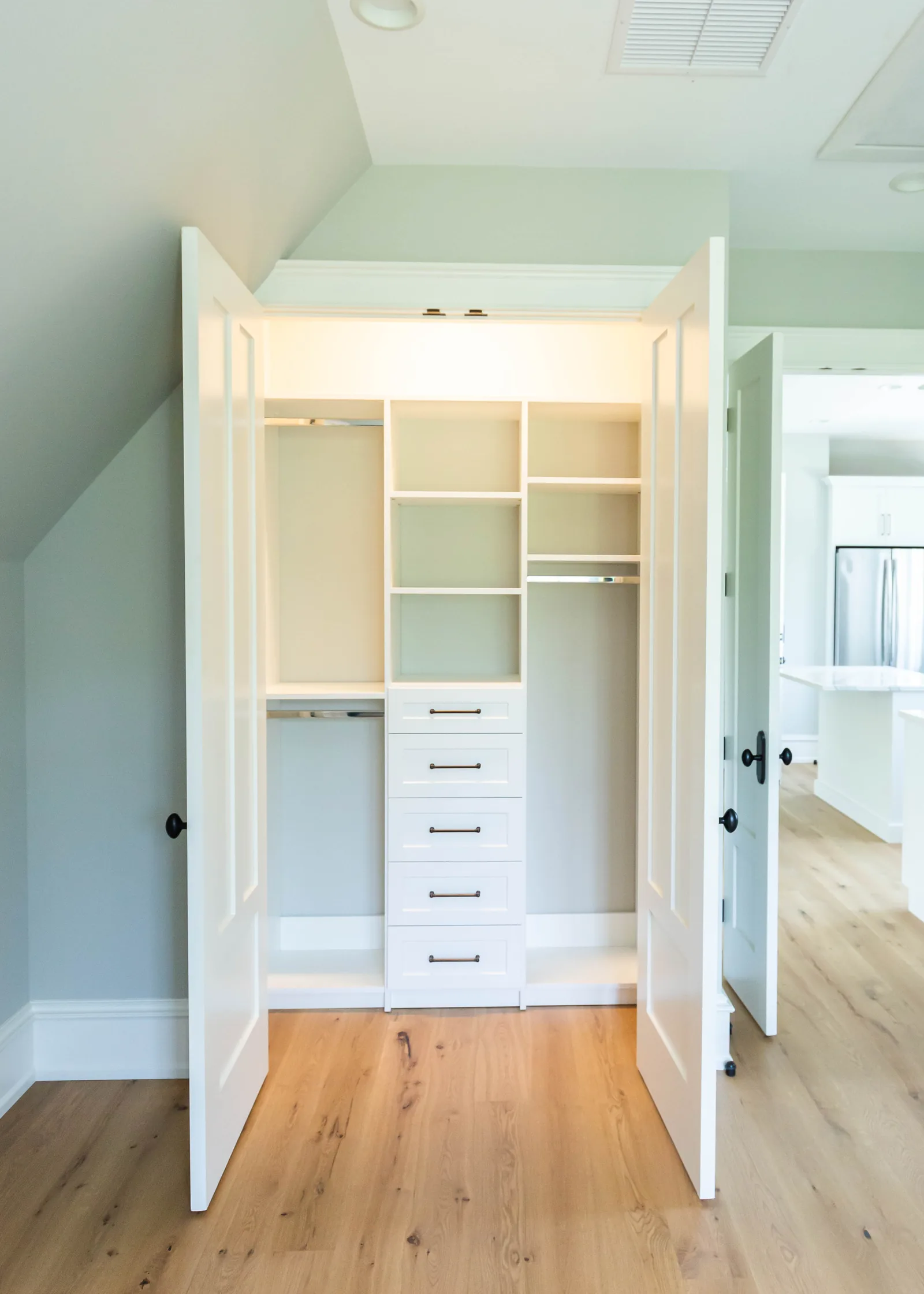
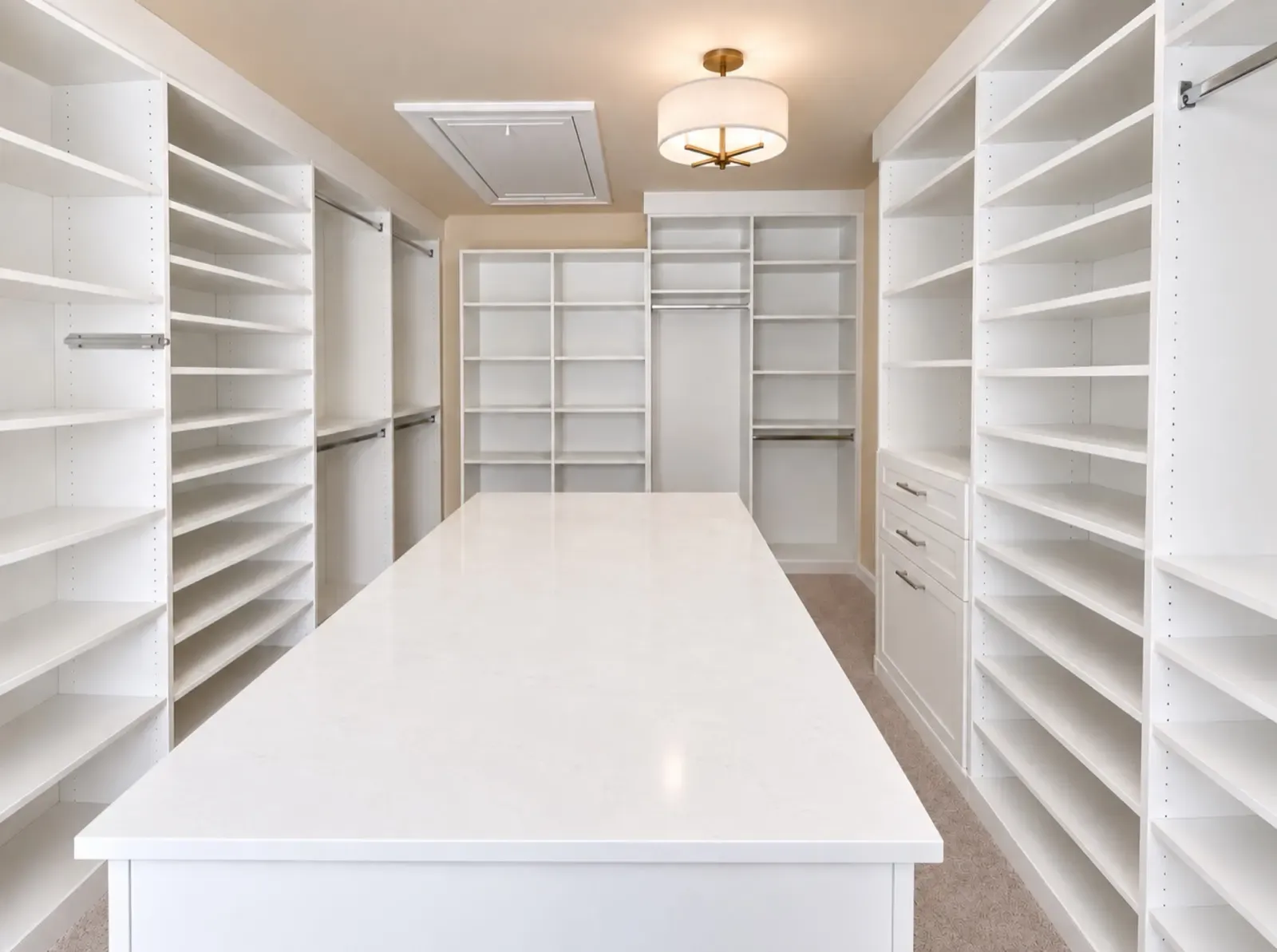
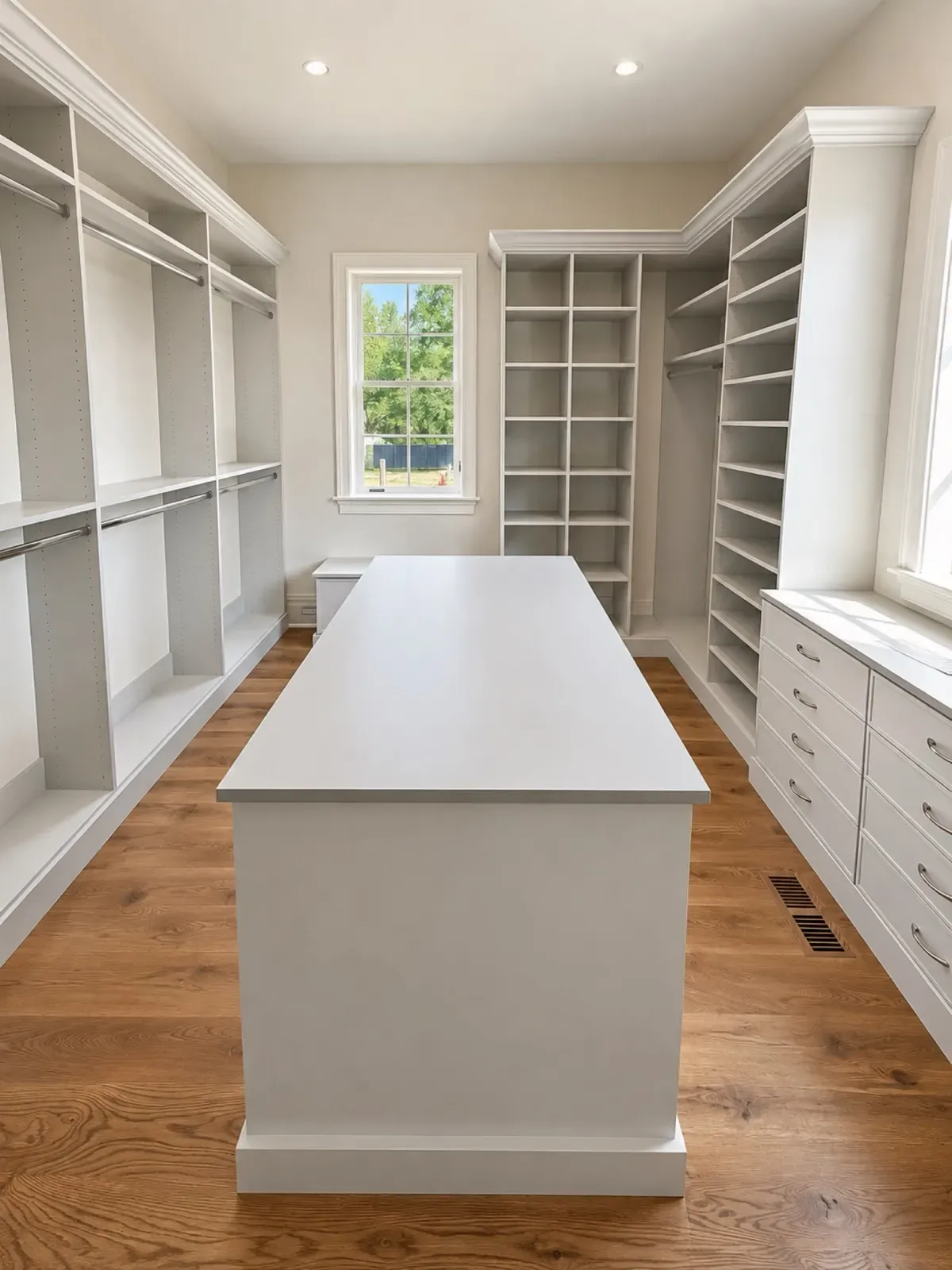
The difference shows up in the details that generic systems can’t address: the angled ceiling in a walk-in, the door that swings into the usable space, the need for both a long-hang section and deep drawer storage in the same footprint. Walk-in closet design at a custom level means every inch is intentional.
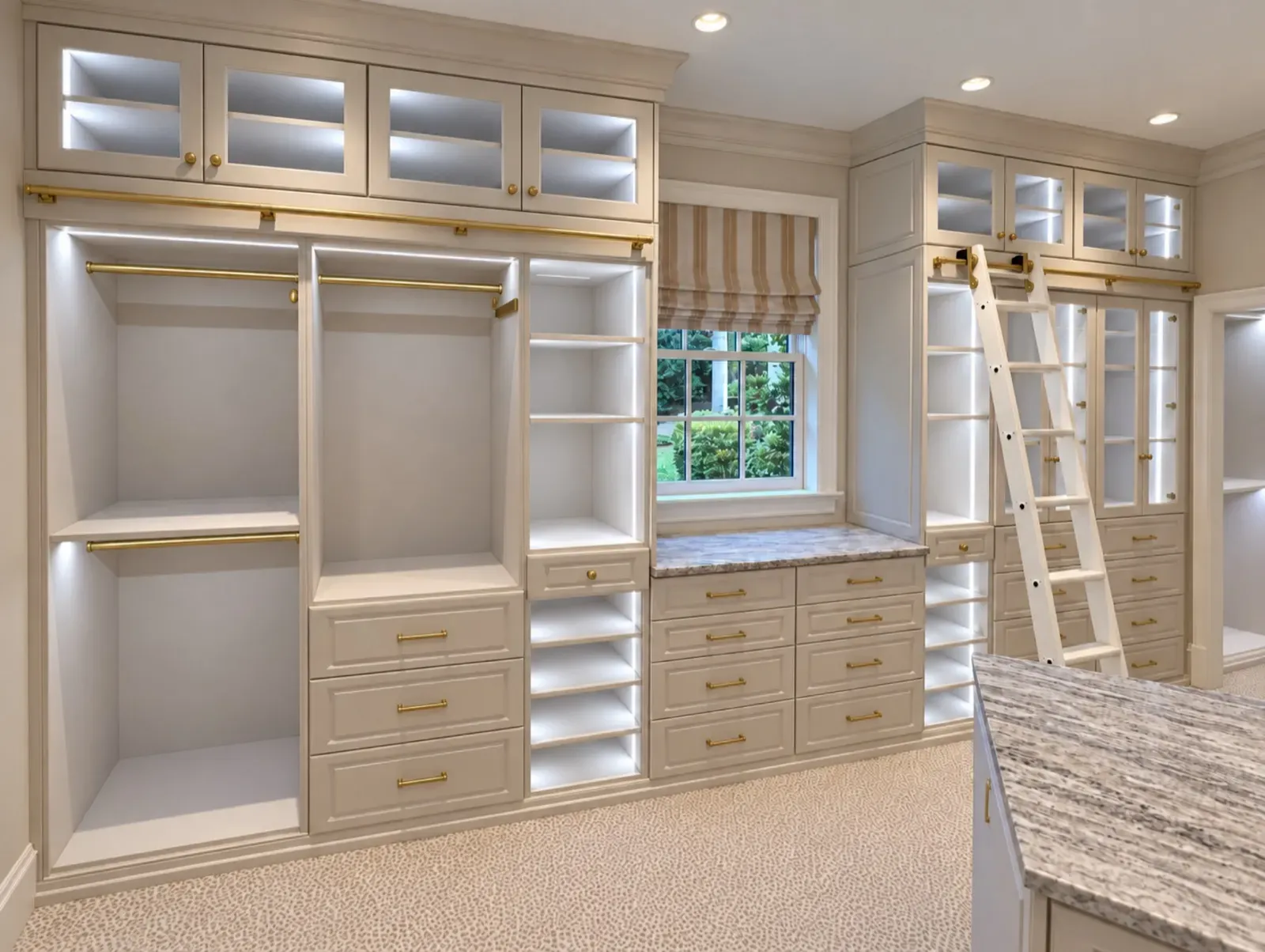
Diplomat Closet Design starts every project with an in-home consultation and produces 3D renderings before anything is built. You see the finished design before a single component is installed. That process eliminates the guesswork that makes most storage projects disappointing.
A custom closet doesn’t just organize your things. It changes the experience of getting ready every day.
If you’re ready to see what your specific space could look like, schedule a complimentary design consultation with Diplomat Closet Design. The consultation is where the real design work begins.
Custom Closet vs. Waiting: What the Comparison Actually Looks Like
| Factor | Acting Now with Custom Design | Waiting / Doing Nothing |
|---|---|---|
| Daily time cost | Eliminated through intentional design | Continues compounding every day |
| Reorganization cycle | Ends with a permanent system | Repeats every few months |
| Fit to your actual life | Designed specifically for your habits and inventory | The generic system assumes average use |
| Home value impact | Positive signal for buyers and appraisers | Missed opportunity |
| Design risk | Eliminated through 3D renderings before the build | Repeated trial-and-error purchases |
| Long-term cost | One investment, lasting solution | Repeated purchases that never fully solve it |
The table above isn’t a close call. The cost of inaction is real; it’s just distributed across time rather than appearing on a single invoice.
What About Spaces Beyond the Primary Closet?
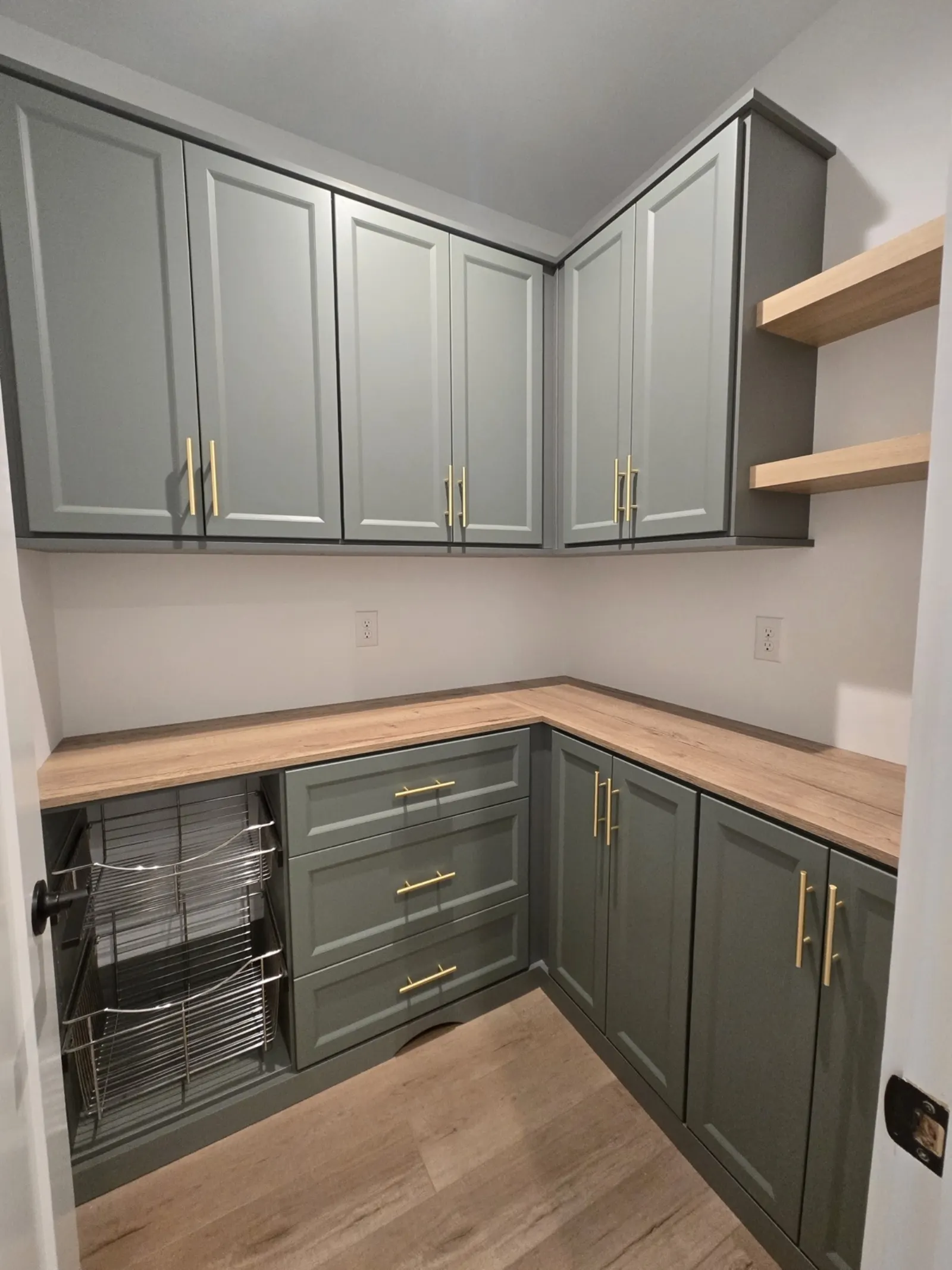
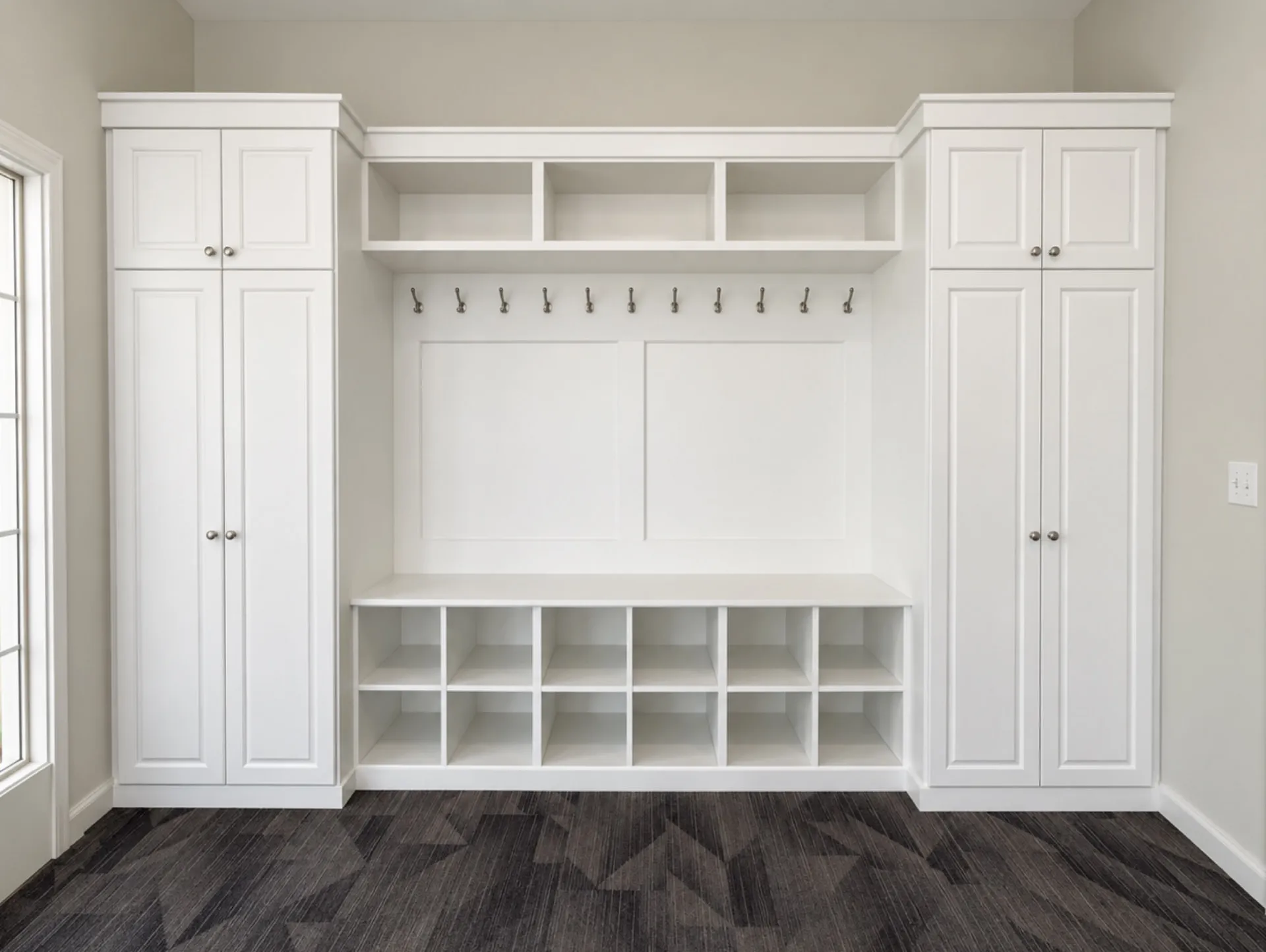
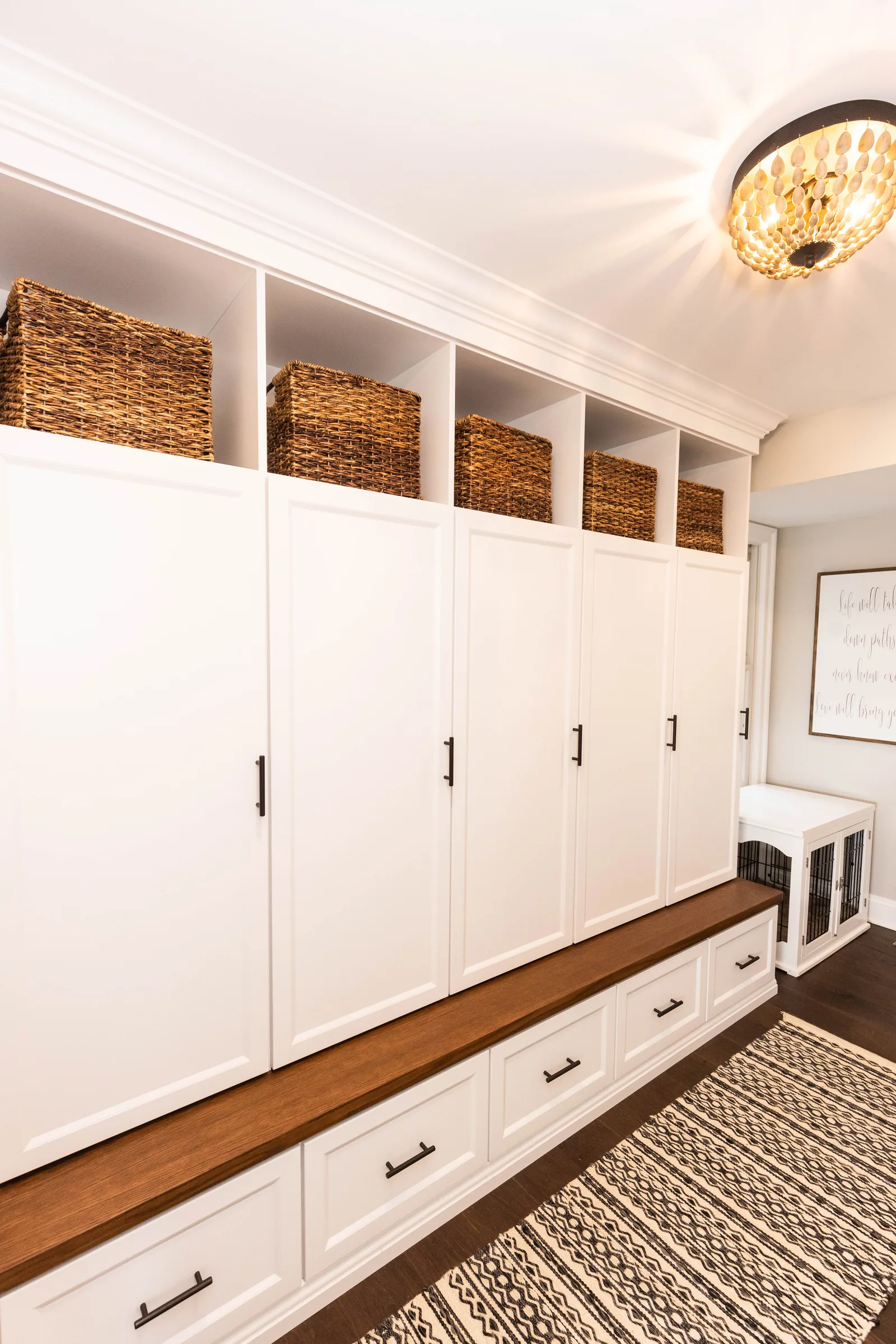
Once you’ve solved the primary closet, the logic applies everywhere else. A pantry with custom built-ins solves the same problem as a closet: a generic container that doesn’t match how you actually use the space. The same is true for garage storage systems, mudrooms, and children’s closets that need to grow with a child.
The underlying principle is consistent: a system designed around your actual behavior will outlast and outperform any system designed around a hypothetical average user.
FAQ
How long does a custom closet project typically take from consultation to installation?
The timeline varies by project scope, but most residential custom closet projects move from initial consultation to completed installation within a few weeks. The consultation and design phase is where most of the work happens, and Diplomat Closet Design provides 3D renderings so you can approve the design before anything is built or ordered.
Is a custom closet worth the investment if I’m not planning to stay in my home long-term?
A well-designed custom closet adds real value to a home and is one of the details prospective buyers notice. If you’re within a few years of selling, the daily quality-of-life benefit combined with the positive impression it makes on buyers typically makes it a sound investment rather than a sunk cost.
What if my closet space is awkward or unusually shaped?
Awkward spaces are exactly where custom design outperforms generic systems. Angled ceilings, narrow footprints, doors that intrude on usable space, and odd dimensions are problems that off-the-shelf kits can’t solve. A custom design is built around your actual dimensions, not assumed ones.
Do I need to know what I want before the consultation?
No. The consultation is specifically designed to draw that out. Diplomat Closet Design’s designers ask about how you get dressed, what you own, what frustrates you about your current setup, and what your daily routine looks like. The design emerges from that conversation, not from a catalog.
Can a custom closet work in a small space?
Small spaces often benefit most from custom design because every inch has to work harder. A small walk-in or reach-in closet with a thoughtful layout can hold significantly more than the same space with generic shelving, because the storage is designed around your specific inventory rather than assumed proportions.
What’s the difference between a custom closet company and a big national franchise?
National franchise systems typically work from a catalog of modular components and apply them to your space. A locally owned custom design firm like Diplomat Closet Design designs from scratch, meaning the solution is built around your specific space, habits, and preferences rather than adapted from a standard configuration. The difference shows up in fit, finish, and how well the system actually works for you.
How do I know whether to tackle the closet now or wait until after a home renovation?
If your renovation will physically change the closet’s dimensions or the room layout, wait until construction is complete. If the renovation is happening elsewhere in the home and the closet space itself isn’t changing, there’s no reason to delay. The daily cost of a system that isn’t working continues regardless of what’s happening in other rooms.
When you stop treating your closet as a storage problem and start treating it as a design problem, the timing question answers itself. The right moment to act is the one when you’re tired of the friction.
Schedule your complimentary design consultation with Diplomat Closet Design and see what your space can actually become.
About the Author
Laura Bryan is Vice President of Diplomat Closet Design, bringing nearly two decades of design experience that spans luxury homebuilding with Toll Brothers and more than ten years of specialized expertise in custom storage and organizational solutions. Her portfolio includes primary closets, dressing rooms, home offices, mudrooms, garages, and a wide range of personalized living spaces throughout Southeastern Pennsylvania, Delaware, and the Jersey Shore. She has been recognized in publications including Main Line Today, FDMC Magazine, and Closets & Organized Storage Magazine, and was named to the woodworking industry’s 40 Under 40.
Written by the design team at Diplomat Closet Design, Downingtown, PA. Questions about your own space? Call 610-431-3500.
Where we build.
We design and install custom storage across Southeastern Pennsylvania, Delaware and New Jersey.
Keep reading.
Or browse everything we've written on closets.
Begin your project
Let's start with a conversation.
A designer will visit your home, measure the space and show you what's possible, with no obligation and no sales pressure.