
Design Notes · August 6, 2026
By Laura Bryan, Vice President · Meet the team
When Does a Custom Closet Actually Make Sense? The Honest Answer
By Laura Bryan, Vice President, Diplomat Closet Design
The closet isn’t the problem you think it is. The real problem is that you’ve been adapting your daily behavior to a system that was never designed for you, and you’ve been doing it so long it feels normal.
A custom closet makes sense when your storage system is actively working against your habits, your space has structural constraints a standard kit can’t accommodate, or the daily friction of a poorly organized space is costing you time and mental energy you don’t want to keep spending. The right moment isn’t when you “finally have time to deal with it” – it’s when the cost of waiting becomes clearer than the cost of acting.
Key Takeaways
Generic storage systems fail predictably because they’re built for average use cases, not your specific habits, household size, or space dimensions
The right time to invest in custom storage is when daily friction is measurable: you’re late because you can’t find things, you’re buying duplicates, or you avoid entire rooms
A custom design consultation costs you nothing to explore – but waiting compounds the daily cost of a broken system
Custom doesn’t always mean expensive; it means designed specifically for your space and life, which often costs less than repeated DIY attempts
The spaces most worth customizing first are the ones you use every single day, not the ones that bother you the most visually
Why Generic Systems Keep Failing You
Most people who’ve tried a big-box storage kit know the experience: it looks promising on the box, it sort of fits, and within six months it’s a mess again. That’s not a willpower problem. That’s a design problem.
Generic storage products are built for average use cases. When your habits, your space, and your household don’t match that average, and they rarely do, the system breaks down predictably, repeatedly, and for the same reasons every time.
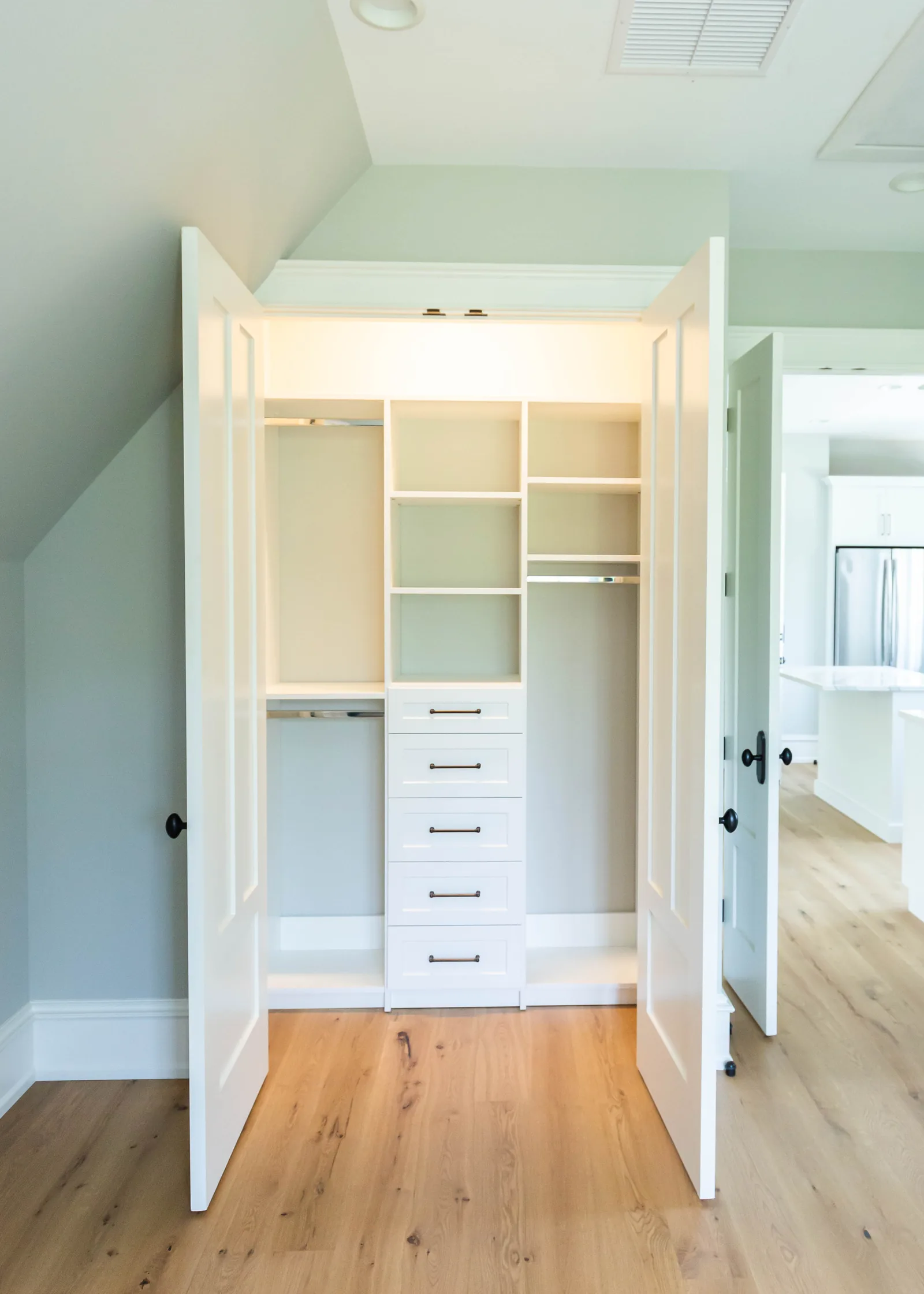
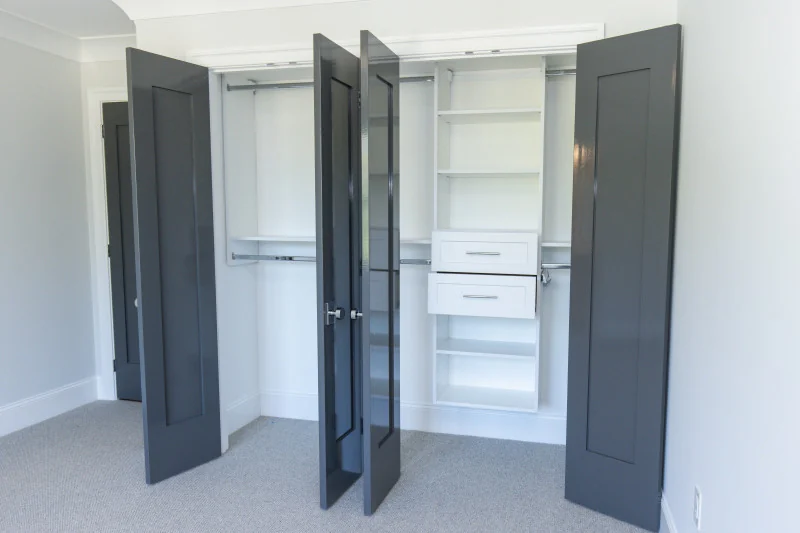
The mechanism here matters. A standard closet rod placed at a fixed height doesn’t account for the fact that you hang mostly long dresses, or that your partner’s wardrobe is 80% folded items. A shelf depth designed for a generic bedroom doesn’t account for the fact that your “closet” is actually a converted alcove with a sloped ceiling. The system isn’t broken. It was just never designed for you.
The problem was never your organizational habits. The problem was a system that made the wrong behavior easier than the right one.
This is why comparing custom closets to DIY closet kits isn’t really a cost comparison. It’s a comparison between a system built around your life and a system built around a statistical average. Those are different products.
What “The Right Time” Actually Means
Here’s the contrarian claim worth sitting with: waiting to invest in a custom storage system is almost never the neutral choice it feels like.
Every day you spend in a disorganized space has a real cost. You’re spending extra minutes every morning. You’re buying things you already own because you can’t find them. You’re avoiding a room because it stresses you out. None of that shows up on a line item, but it accumulates.
The right time to act isn’t when you have a free weekend or when you’ve “finished decluttering first.” It’s when the daily friction is measurable and recurring.
Think about the minutes lost every morning searching for something in a disorganized closet. That friction repeats daily, and its cost — in time and in stress — is real. A custom system that eliminates that friction pays for itself in ways that don’t appear in a spreadsheet but are felt every single day.
If you’re curious what a redesigned space could look like for your specific layout, scheduling a complimentary design consultation with Diplomat Closet Design is the most direct way to find out. There’s no obligation, and you’ll leave with a clearer picture of what’s possible.
The Space-Habit Alignment Framework
The Space-Habit Alignment Framework is a decision tool for identifying which spaces in your home deserve priority attention and which ones can wait.
It works like this: score each storage space on two dimensions.
Frequency of use: How often do you interact with this space? Daily counts as high. Weekly is medium. Occasional is low.
Friction level: How much does the current system slow you down or create stress? Actively disruptive is high. Mildly annoying is medium. Barely noticeable is low.
The spaces that score high on both dimensions are your first priority. These are the ones where a custom solution creates the most immediate, felt improvement in daily life. A primary closet you use every morning. A mudroom you walk through twice a day. A pantry you open ten times before dinner.
Spaces that score high on friction but low on frequency (a guest room closet, for example) can wait. Spaces that score low on both can wait indefinitely.
Use this framework when you’re trying to decide where to start, not where to stop. The goal is to identify the one or two spaces where better design would actually change how your days feel.
How Custom Design Actually Works (and What to Expect)
One of the most common follow-up questions after someone decides they want a custom solution is: what does the process actually look like?
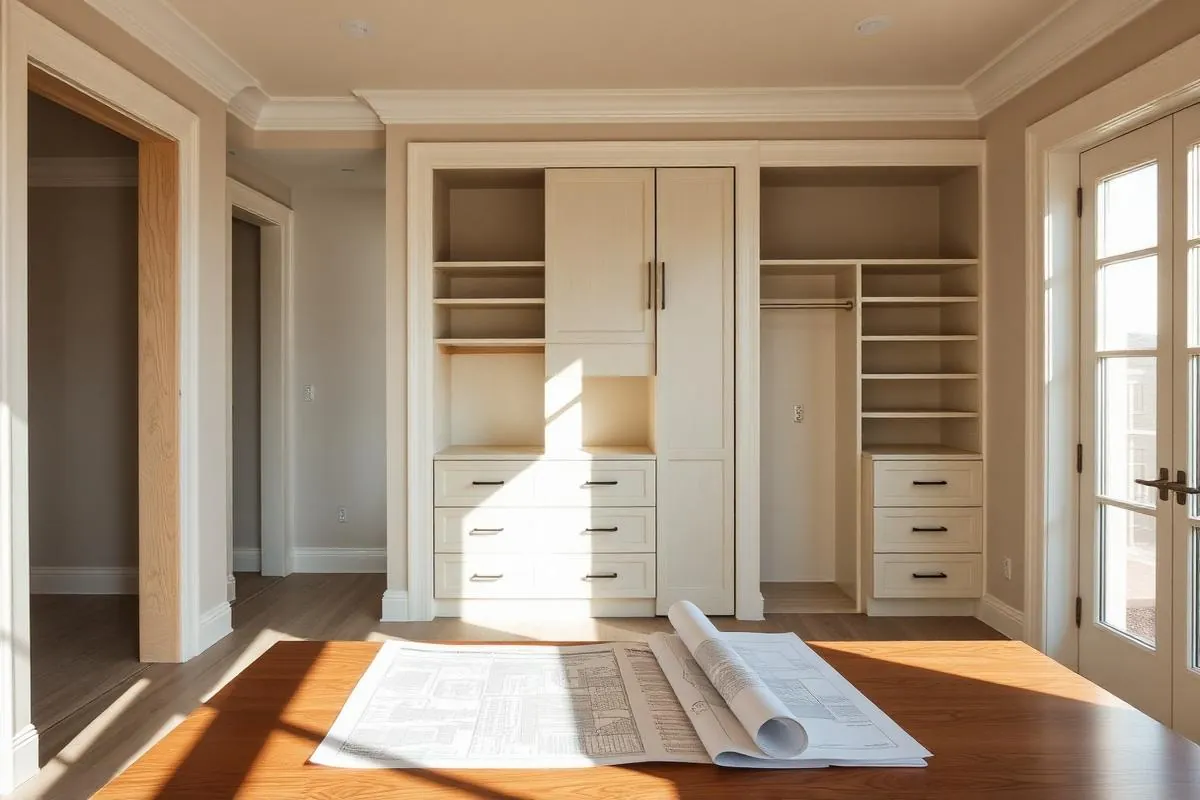
At Diplomat Closet Design, it starts with a conversation about how you live, not a measurement of your walls. The design process begins with your actual habits: how you get dressed, how your household operates, what’s currently driving you crazy, and what you wish you had. Measurements come after that context is established.
From there, you’ll see a 3D rendering of the proposed design before anything is built. That’s not a small detail. It means you can see exactly what you’re getting, request changes, and feel confident before a single piece of material is cut. The types of closet systems available are far broader than most people realize until they sit down with a designer.
The installation itself is handled by Diplomat Closet Design’s own team. You’re not coordinating between a designer and a separate contractor. One team, start to finish.
Realistic timeline: most projects move from initial consultation to completed installation within a few weeks, depending on scope and scheduling. You won’t be waiting months.
Where Custom Storage Makes the Biggest Difference
Not every space benefits equally from a custom approach. Here’s an honest look at where the investment creates the most return in daily life versus where it matters less.
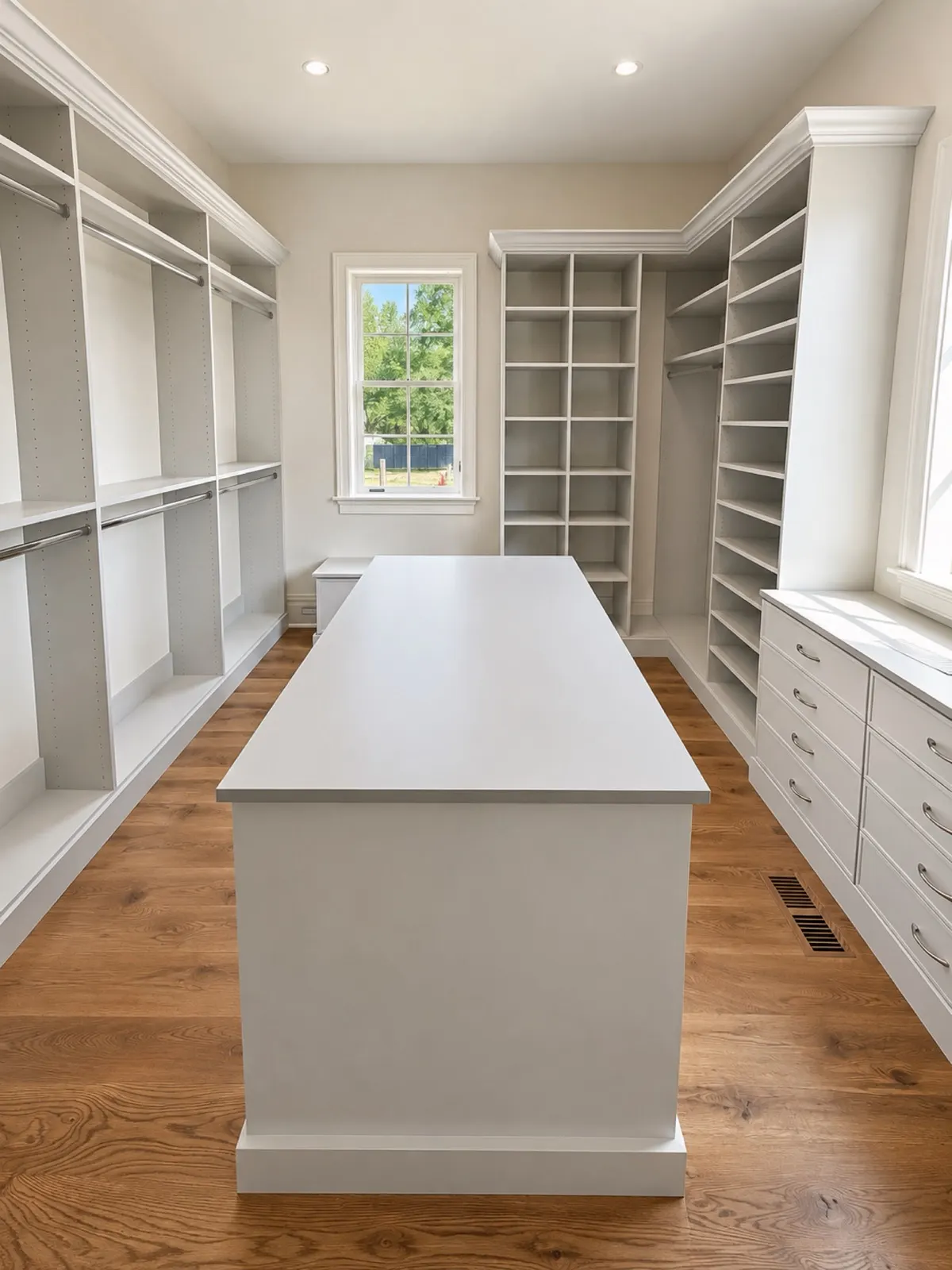
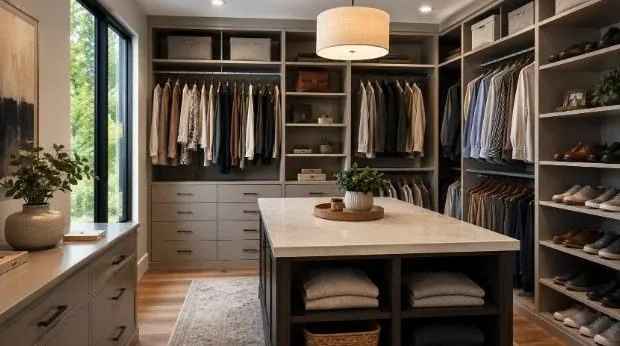
Primary walk-in closet: custom wins with complex wardrobe mix, awkward dimensions, high daily use, generic can work for very small, simple wardrobe with standard dimensions.
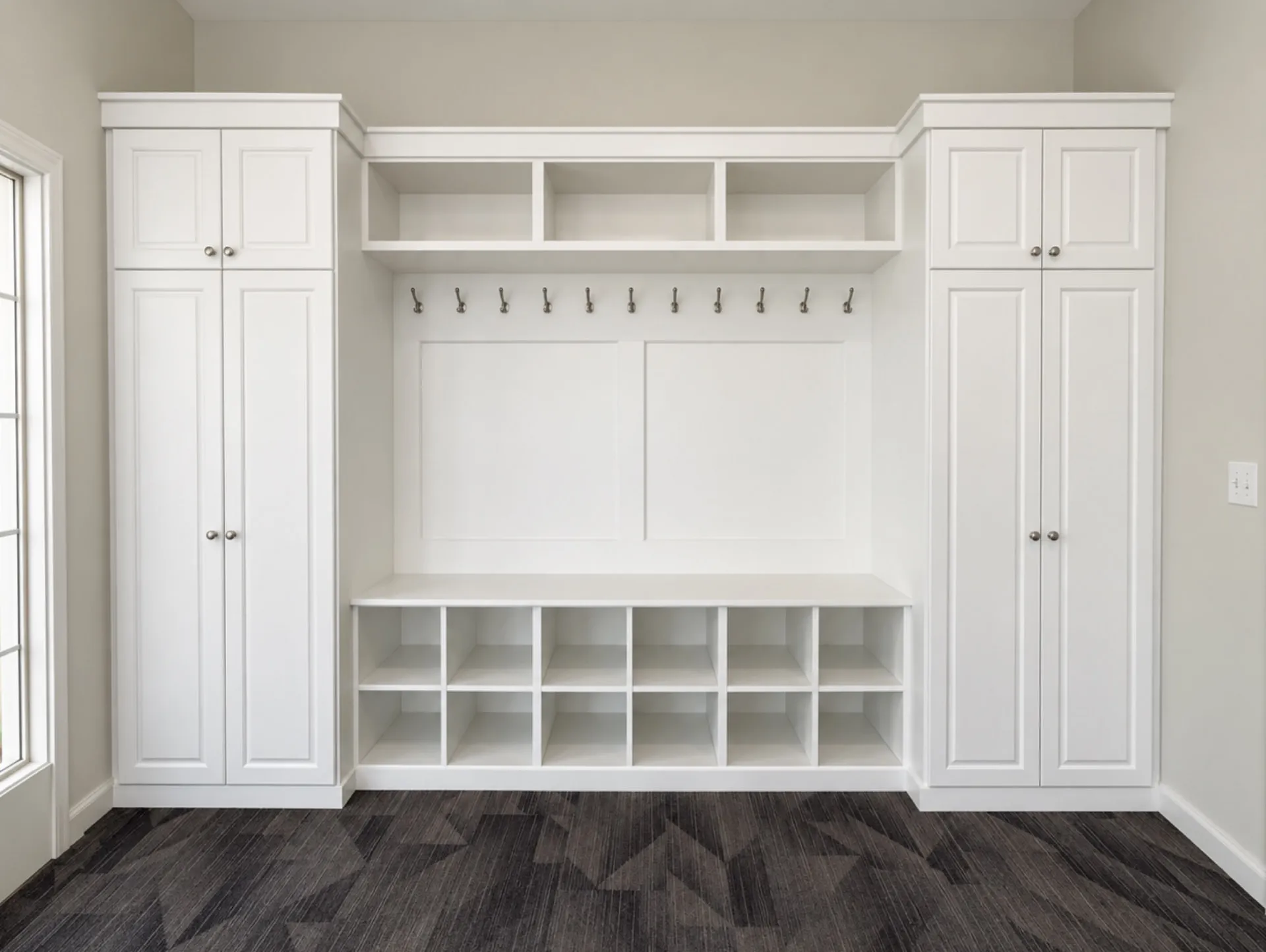
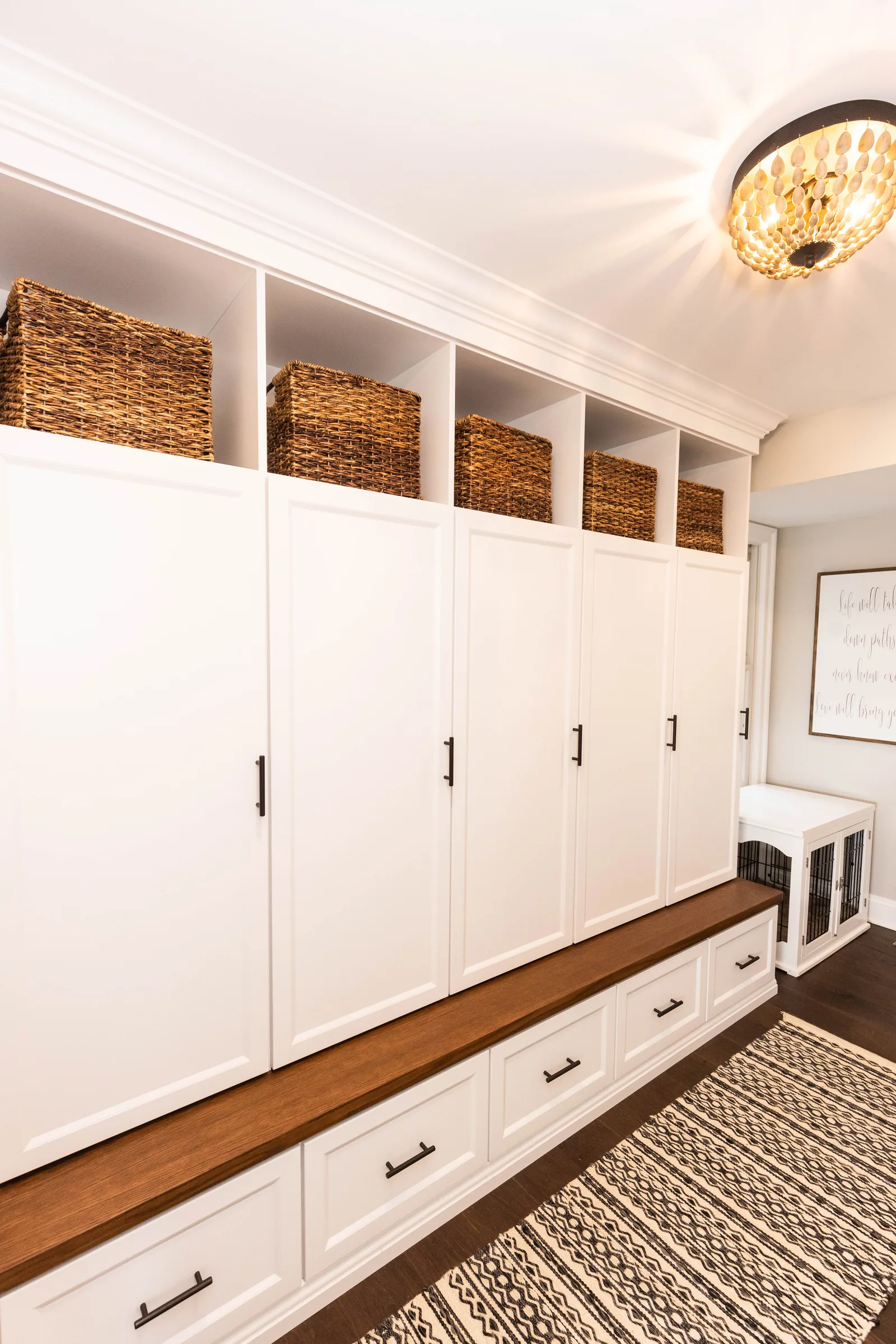
Mudroom: custom wins with multiple users, gear types, pet needs, entry traffic, generic can work for single-user, minimal gear, simple entry.
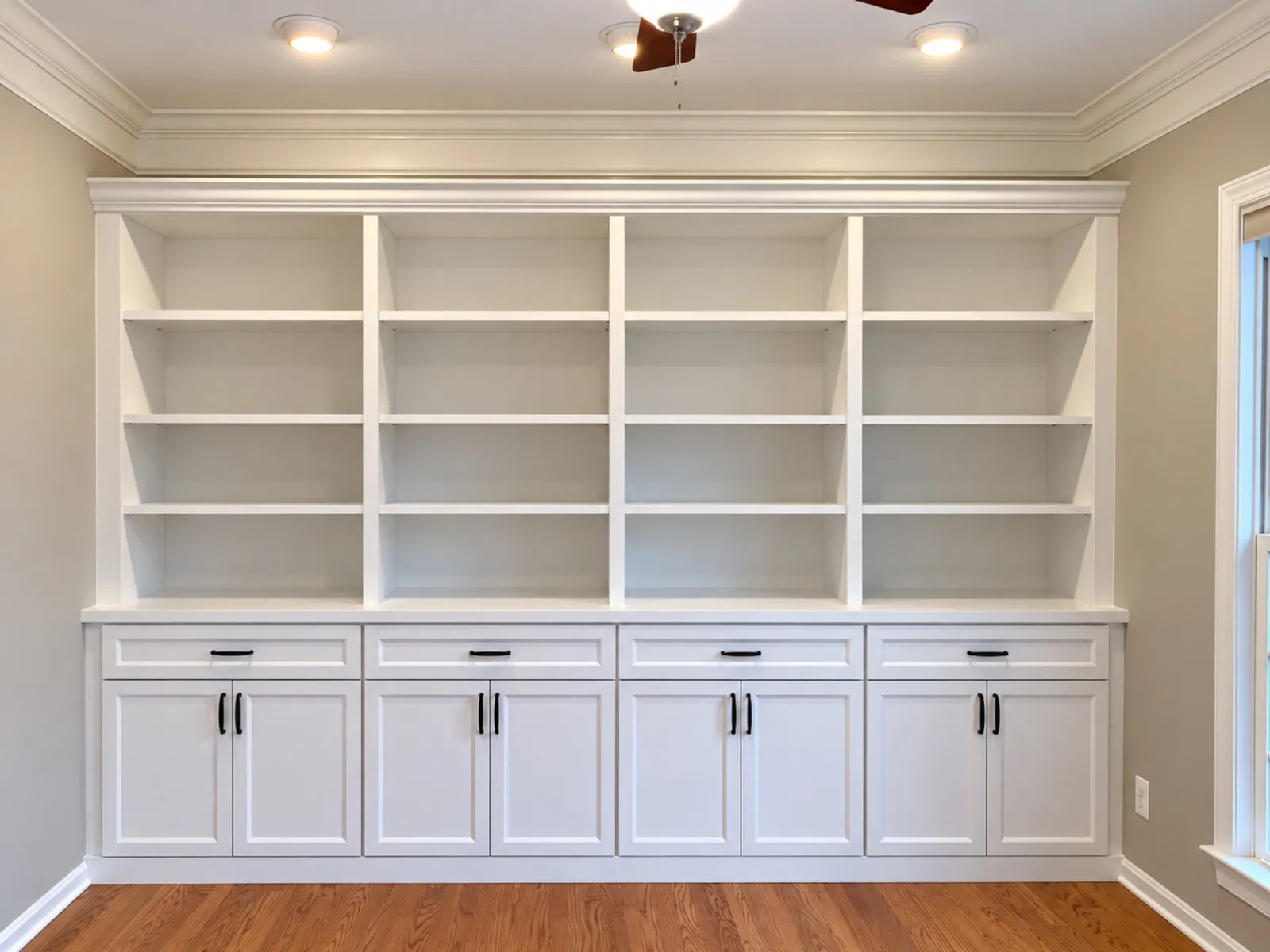
Home office: custom wins with custom desk height, cable management, specific storage needs, generic can work for occasional use, minimal equipment.
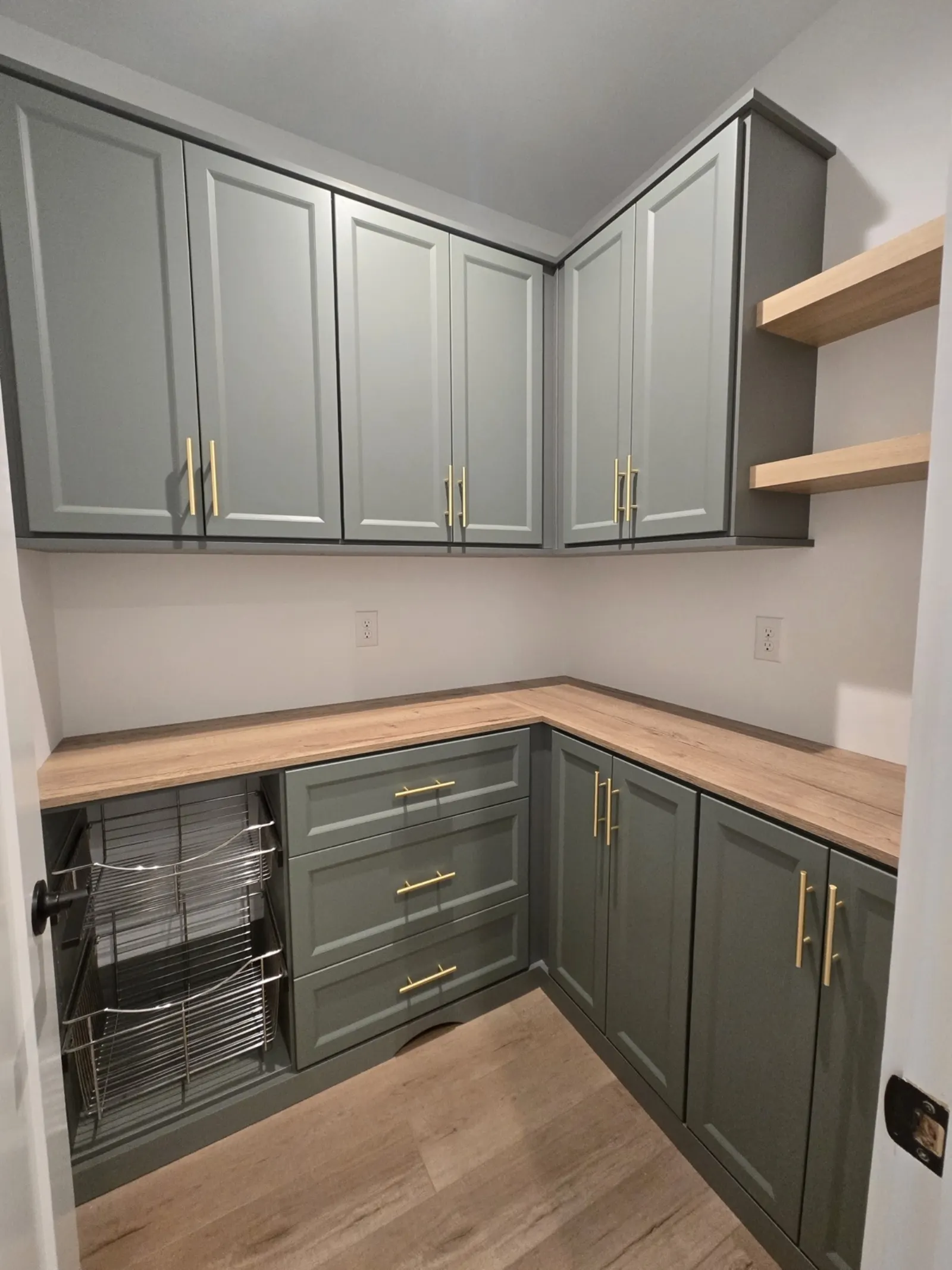
Pantry: custom wins with deep or narrow footprint, specific food storage habits, generic can work for standard pantry with typical depth and width.
Garage: custom wins with tools, sports gear, vehicles, seasonal storage, generic can work for minimal storage needs, standard two-car layout.
Kids’ closets: custom wins with adjustable systems that grow with the child, generic can work for short-term renters or very young children.
The spaces where custom wins aren’t just about aesthetics. They’re about spaces where the wrong system creates daily friction that a well-designed one eliminates completely. The features worth prioritizing in a mudroom are different from the features worth prioritizing in a home office built-in, and a designer who starts with your life rather than a catalog will catch that distinction immediately.
What Custom Storage Won’t Fix
Honest answer: a custom closet won’t fix a decluttering problem. If you’re holding onto three times more than your space can reasonably hold, the most beautifully designed system in the world will still feel crowded.
The sequence matters. If you’re in the middle of a major declutter, it can make sense to do a first pass before a design consultation, not because you need to be “ready” for custom storage, but because your designer will get a more accurate picture of what you actually need to store. That said, don’t use “I need to declutter first” as a reason to delay indefinitely. Most designers work with you on realistic storage volume, and a consultation will often clarify what you actually need to keep.
Custom storage also won’t compensate for a fundamentally undersized space. If your closet is genuinely too small for your wardrobe, a custom system will make the best possible use of every inch, but it won’t create square footage that doesn’t exist. What it will do is find storage potential you didn’t know you had. The options for small pantry spaces are a good example of how much can be done with a constrained footprint when the design starts from scratch.
A good designer will tell you this directly. That’s what white-glove service actually means: honest guidance, not a sales pitch.
The Moment Most People Wait Too Long For
Here’s the observation that tends to surprise people: the homeowners who wait for a “perfect moment” to invest in their storage often spend more in the long run, not less.
They buy another organizer. They try another kit. They reorganize the same space three times in four years. Each attempt costs money, time, and the specific frustration of watching something fail again for the same reason. A system that works daily versus one you’ll replace in three years isn’t just a quality comparison. It’s a math problem.
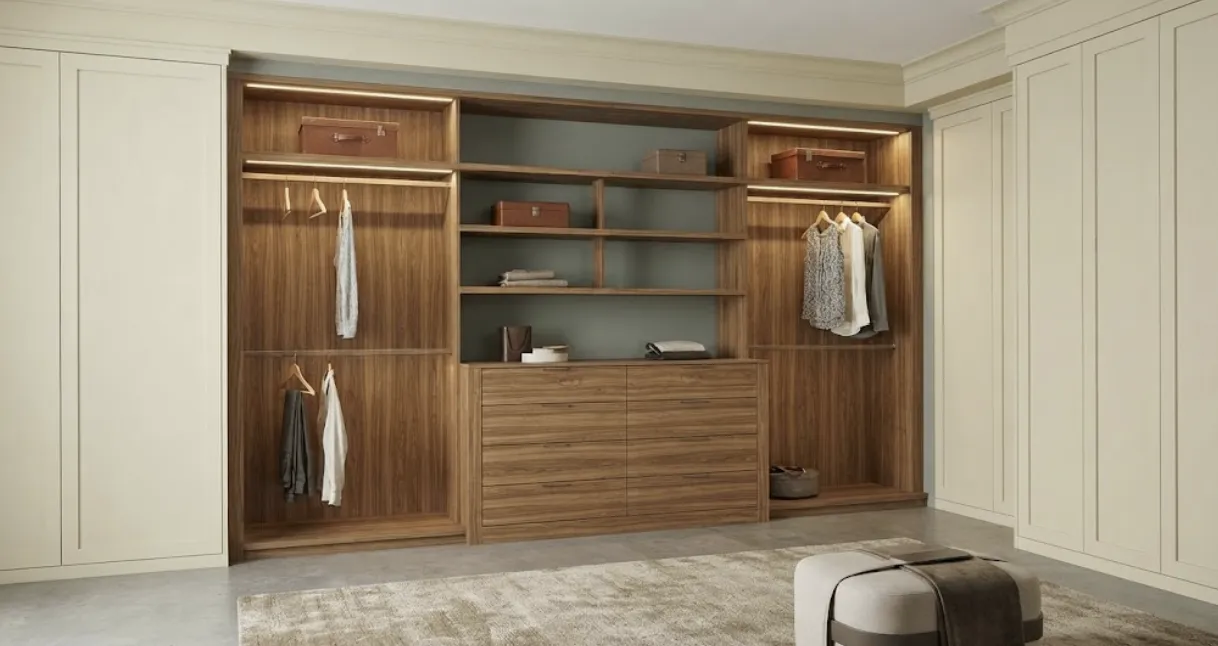
The walk-in closet comparison between DIY and custom builds makes this concrete. The upfront cost of custom is higher. The total cost over five years often isn’t.
If you’re at the point where you’ve already tried the generic solution and it didn’t hold, that’s the signal. You’re not waiting for the right time. You’ve already found it.
When you’re ready to see what a space designed specifically around your life could look like, Diplomat Closet Design offers complimentary in-home consultations across Southeastern PA, Delaware, and the Jersey Shore area. Bring your frustrations, your wish list, and your awkward dimensions. That’s exactly what the conversation is for.
Frequently Asked Questions
How do I know if my space is a good candidate for custom storage?
The clearest signal is recurring friction: you’re regularly late because you can’t find things, you’ve reorganized the same space multiple times without lasting results, or the layout of the space actively works against how you use it. Awkward dimensions, sloped ceilings, or non-standard room shapes are also strong indicators that a custom approach will outperform any off-the-shelf solution.
Do I need to declutter before scheduling a design consultation?
You don’t need to declutter before your consultation, but doing a rough pass helps your designer understand your actual storage volume. That said, a good designer will work with you on realistic needs and can often help you identify what’s worth keeping and what the space genuinely requires. Don’t let “I’ll do it after I declutter” become a reason to delay indefinitely.
How long does a custom closet project typically take from consultation to installation?
Most projects move from initial consultation through design approval and into installation within a few weeks, though scope and scheduling affect the timeline. The design phase includes 3D renderings so you can review and adjust before anything is built, which means the installation itself tends to go smoothly because every detail has already been confirmed.
Is a custom closet worth it for a house I might sell in a few years?
Yes, for two reasons. First, you’ll benefit from it every day until you sell. Second, organized, well-designed storage is consistently cited by real estate professionals as a selling feature that buyers notice and value. A primary closet that photographs well and functions clearly is a genuine asset in a home sale, not just a personal convenience.
What’s the difference between a custom closet company and just buying a better kit from a home store?
A kit is a pre-engineered product built for average dimensions and average use. A custom system is designed from scratch around your specific space, your specific wardrobe, and your specific habits. The difference shows up immediately in how well the finished system fits your life, and it shows up again two years later when the kit has shifted and sagged and the custom system still works exactly as designed.
Can custom storage solutions work in small or awkward spaces?
Small and awkward spaces are often where custom design creates the most dramatic improvement. Standard kits are designed for standard dimensions. When your space has a sloped ceiling, an odd alcove, or an unusually shallow depth, a custom designer can work with those constraints rather than around them, often finding storage capacity that a generic system would waste entirely.
What should I bring to or prepare for a design consultation?
Bring your honest frustrations: what’s not working, what you wish you had, and how you actually use the space day to day. Photos of the current space help. A rough sense of what you store there is useful. You don’t need measurements or a design vision. The designer’s job is to ask the right questions and translate your answers into a system that works for your actual life, not to validate a plan you’ve already made.
Ready to stop reorganizing the same space and start using one that was actually built for you? Contact Diplomat Closet Design to schedule your complimentary in-home consultation. Serving Southeastern Pennsylvania, Delaware, and the Jersey Shore area.
About the Author
Laura Bryan is Vice President of Diplomat Closet Design, where she brings more than a decade of specialized expertise in custom storage and organizational solutions spanning closets, home offices, mudrooms, garages, and beyond. Before joining Diplomat, she built her design career at Toll Brothers, rising to Design Studio Manager for Los Angeles and Ventura Counties and earning two Synergy Awards for design excellence. She has been featured in Main Line Today, House & Home Magazine, and Closets & Organized Storage Magazine, and was named to the woodworking industry’s 40 Under 40.
Written by the design team at Diplomat Closet Design, Downingtown, PA. Questions about your own space? Call 610-431-3500.
Related services.
See how we approach design notes projects.
Where we build.
We design and install custom storage across Southeastern Pennsylvania, Delaware and New Jersey.
Keep reading.
Or browse everything we've written on design notes.
Begin your project
Let's start with a conversation.
A designer will visit your home, measure the space and show you what's possible, with no obligation and no sales pressure.